
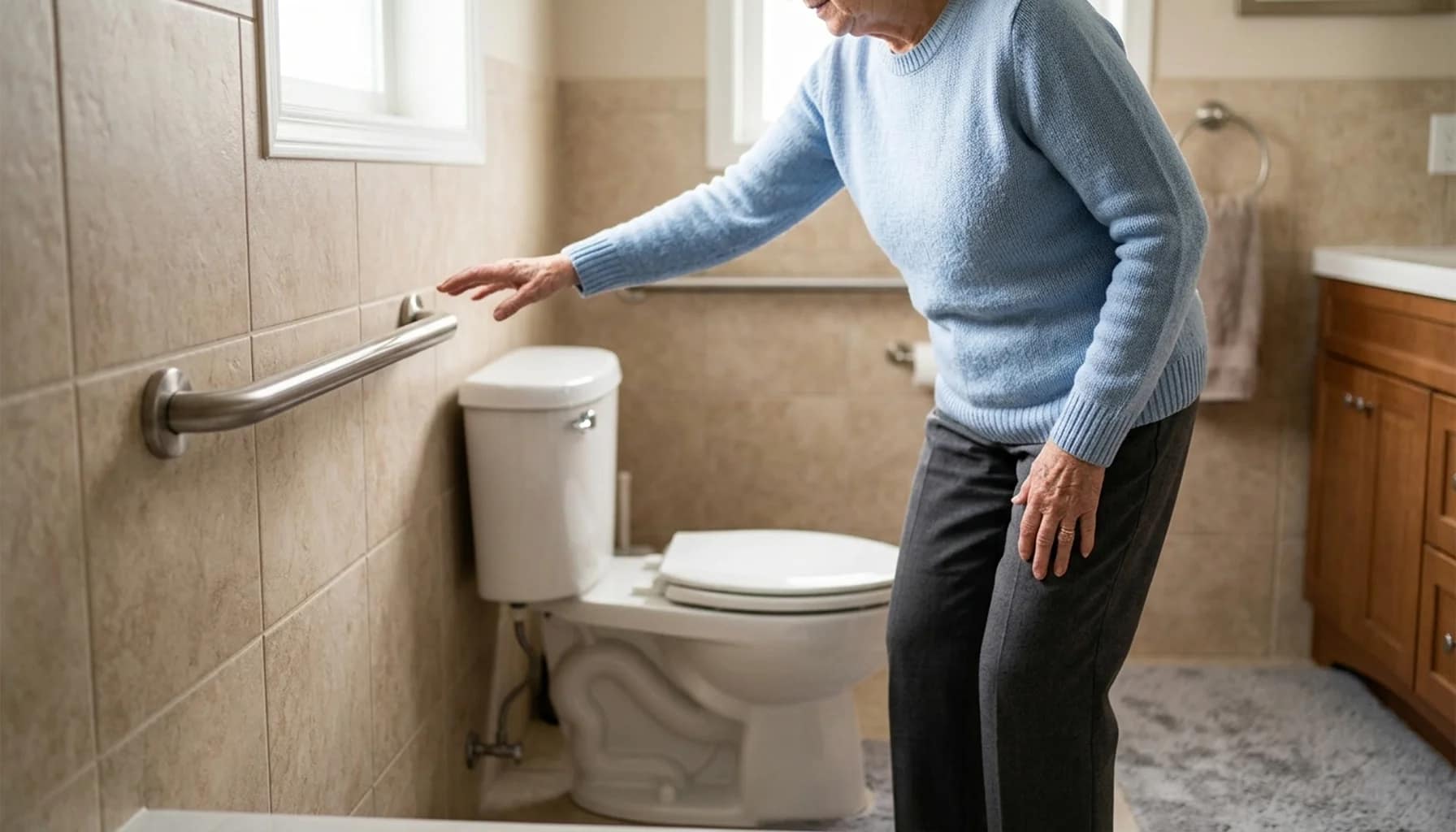
Many bathroom safety improvements are made only after a fall or injury has already occurred. In many cases, the need for support becomes clear only after a moment of instability during a routine activity.
Bathrooms present a higher risk due to wet surfaces, hard fixtures, and frequent movement such as standing, turning, and stepping in and out of the shower or bathtub. These movements can become more difficult over time, even before obvious mobility issues appear.
Using grab bars as a preventive measure rather than a reactive solution helps reduce this risk. Understanding when should seniors add grab bars can help seniors maintain safety and independence over time.
Disclosure: As an Amazon Associate, I earn from qualifying purchases. This post may contain affiliate links. If you purchase through these links, I may earn a small commission at no extra cost to you. I only recommend products I would feel comfortable using in my own home. Learn more.
On This Page
- Why Waiting Too Long Can Increase Risk
- Early Signs Seniors Should Add Grab Bars
- Situations When Grab Bars Should Be Installed Immediately
- High-Risk Areas Where Grab Bars Are Needed First
- Should Seniors Install Grab Bars Even Without Symptoms?
- Common Mistakes When Deciding When to Install
- So, When Is the Right Time to Add Grab Bars?
- How to Decide the Right Time (Simple Checklist)
- What I Recommend
- FAQ
- Final Thoughts
Quick Answer
Seniors should add grab bars before mobility becomes a problem, especially when early signs such as balance issues, slower movement, difficulty standing, or increased reliance on support appear, as installing them early helps prevent falls and provides safer movement in high-risk areas like bathrooms.
- Before the first fall occurs
- When balance or stability begins to decline
- When daily movements feel less controlled
- During bathroom safety upgrades
- After early warning signs appear
Installing grab bars early allows support to be available before it becomes necessary. This reduces the risk of sudden instability during everyday movements such as standing, turning, or stepping in and out of the shower.
Why Waiting Too Long Can Increase Risk
Waiting until a serious issue occurs can increase the likelihood of injury. Many falls happen unexpectedly, often during routine activities.
This pattern is common because many risks are underestimated until a loss of balance actually happens.
Bathrooms are one of the most common locations for these incidents due to wet surfaces, hard flooring, and limited support options.
For example, a momentary loss of balance while stepping out of the shower or turning to reach a towel can lead to a fall if no support is available. These situations often happen quickly, leaving little time to react.
Installing grab bars in advance helps improve stability during these common movements and reduces the likelihood of falls. For more context, see do grab bars prevent falls.
Early Signs Seniors Should Add Grab Bars
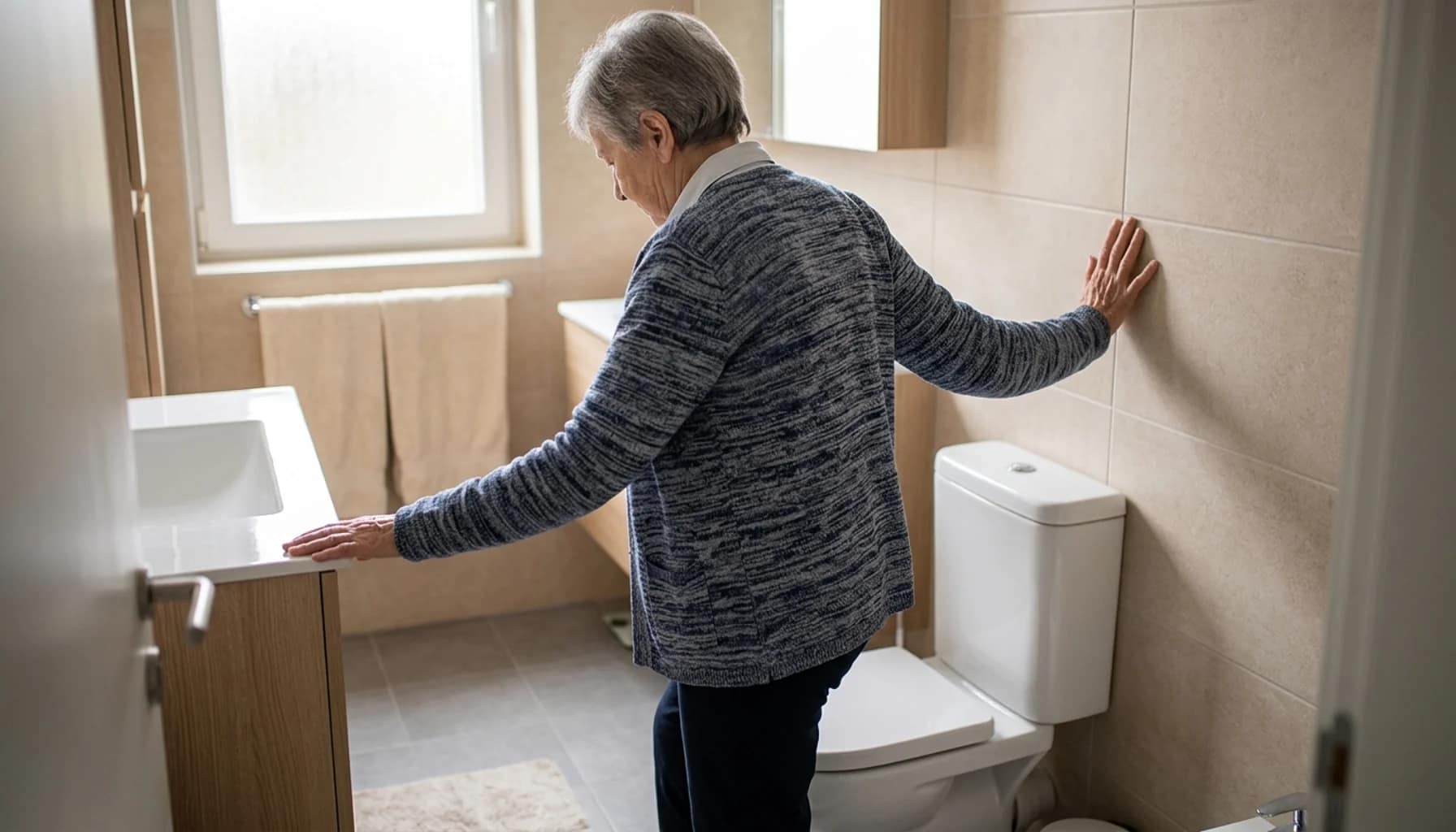
Early signs often appear gradually and may be easy to overlook. Recognizing them can help prevent more serious issues later.
- Holding onto walls, counters, or furniture for support
- Slower or more cautious movement
- Difficulty standing up from the toilet
- Hesitation or instability in the shower
These signs indicate that balance or strength may be starting to decline, even if daily activities are still manageable. Adding support at this stage helps reduce the risk of sudden instability during routine movements.
These signs often appear before a noticeable decline in independence, making early action especially important.
Situations When Grab Bars Should Be Installed Immediately
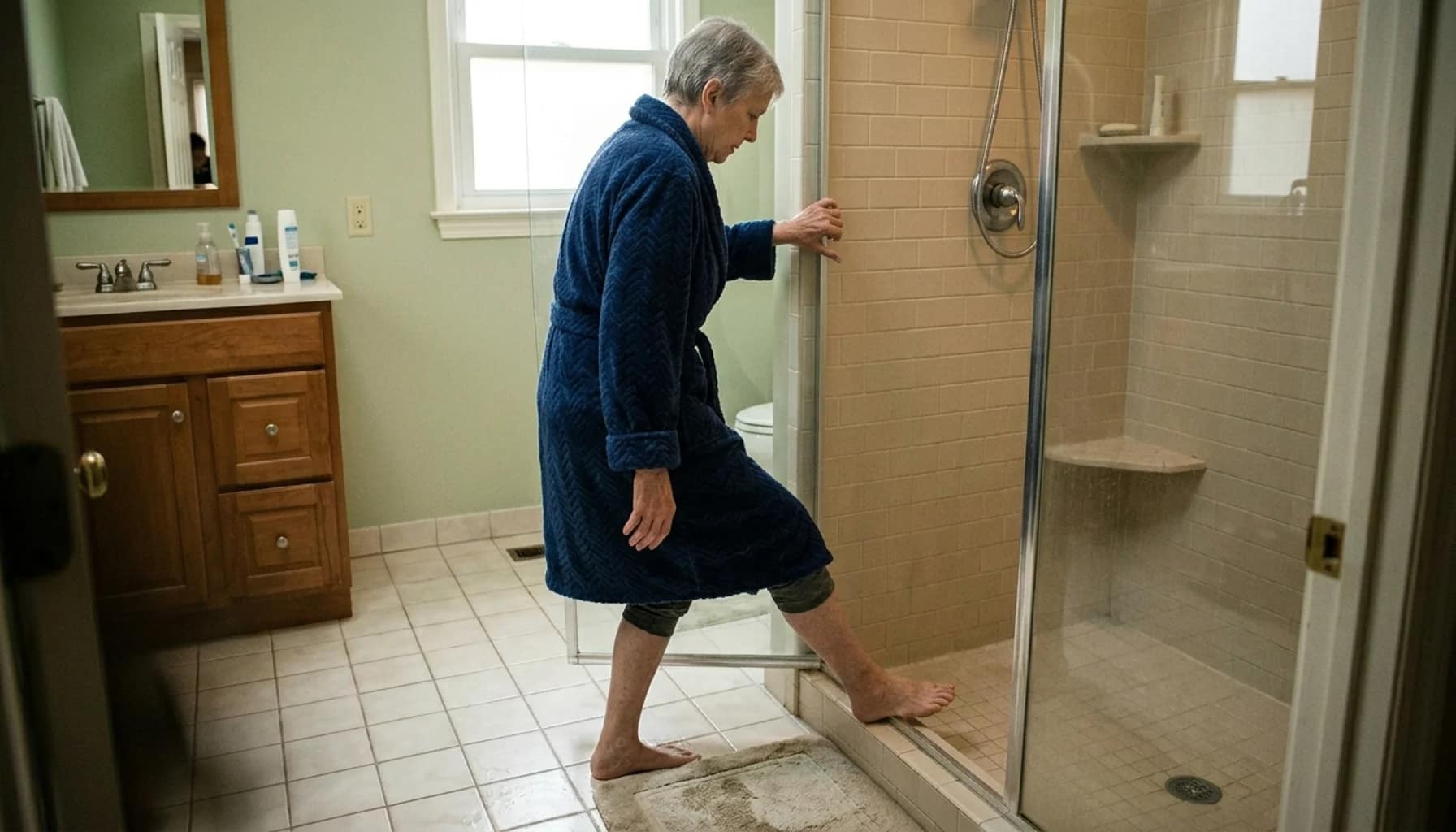
In some cases, waiting is not advisable. Certain situations indicate a higher and more immediate risk.
- After a fall or near-fall
- Following surgery or hospitalization
- When mobility aids are introduced
- When caregiver assistance becomes more frequent
These situations often involve temporary or permanent changes in strength, balance, or coordination. Even if mobility improves over time, the risk of instability may remain elevated.
Installing grab bars during this period helps provide consistent support while the body adjusts to these changes.
High-Risk Areas Where Grab Bars Are Needed First
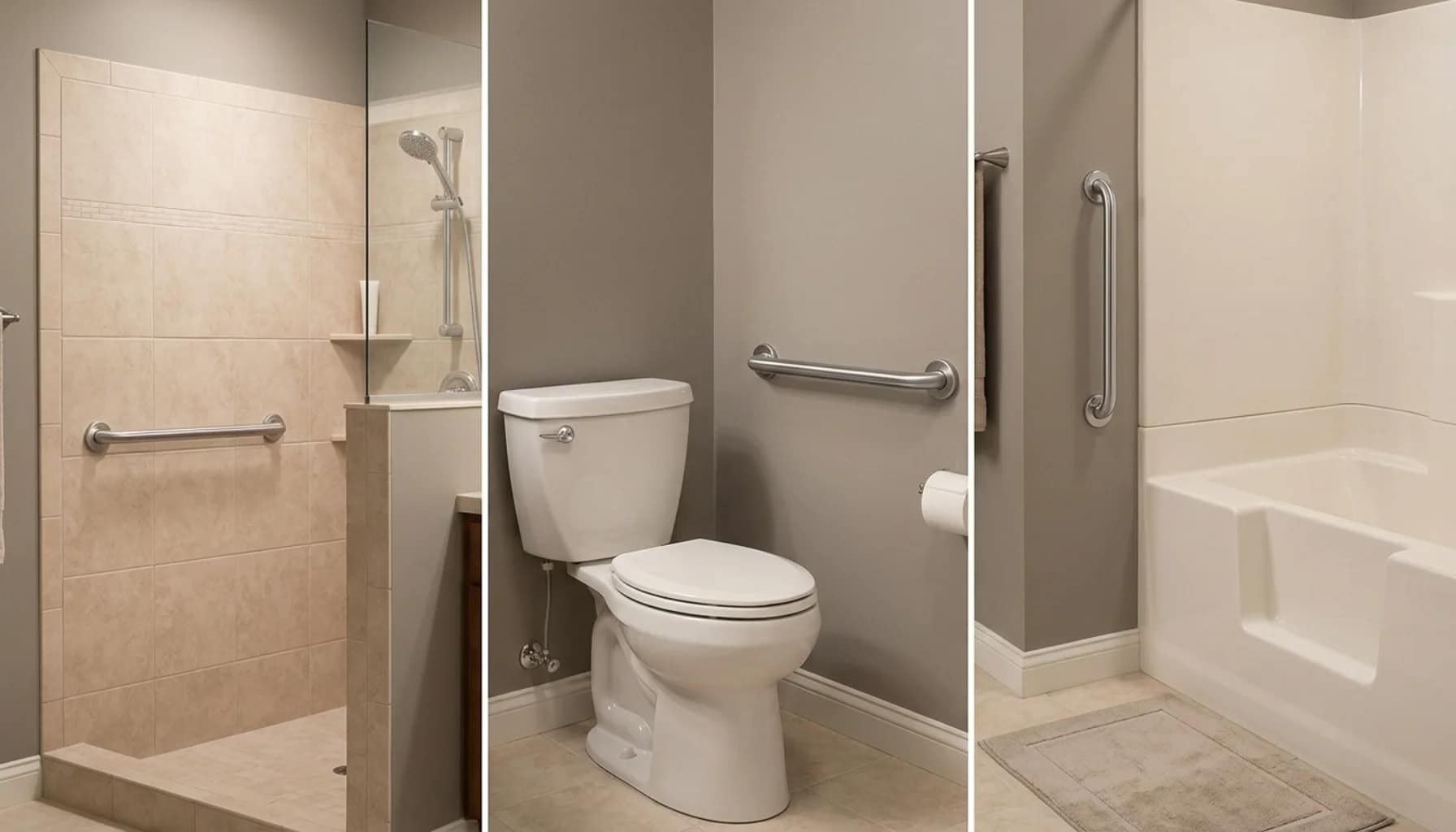
Some areas of the bathroom present higher risk due to movement patterns and surface conditions.
- Shower and bathtub: Slippery surfaces and frequent transitions
- Around the toilet: Sitting and standing require controlled movement
- Bathroom entry points: Stepping in and out can affect balance
For example, stepping over a bathtub edge or transitioning into a shower requires a shift in body weight. Without support, this movement can increase the risk of slipping.
Similarly, standing up from a toilet involves both upward force and balance control. A properly placed grab bar can help stabilize this movement.
Proper placement is key in these situations, and understanding where to install grab bars in a bathroom helps ensure support is available where it is needed most.
Focusing on these areas first provides the greatest improvement in safety with the least number of installations.
Should Seniors Install Grab Bars Even Without Symptoms?
Installing grab bars before any noticeable issues appear can still be beneficial. Age-related changes often develop gradually, even when they are not immediately obvious.
For example, a person may feel stable under normal conditions but experience temporary imbalance when stepping onto a wet surface or turning quickly in a confined space. In these situations, having a grab bar already in place provides immediate support.
Taking a preventive approach ensures that support is already in place when unexpected instability occurs, rather than reacting after a problem develops. This is especially important in bathrooms, where conditions can change quickly.
Common Mistakes When Deciding When to Install
One common mistake is waiting for a serious fall before taking action. This reactive approach increases risk and reduces the opportunity for prevention.
Another issue is ignoring early warning signs, assuming they are temporary or not significant. Small changes in balance or movement often indicate underlying shifts that can worsen over time.
Some may also believe that maintaining independence means that support is not needed. In reality, grab bars can help maintain independence by reducing reliance on unsafe support methods such as holding onto unstable surfaces.
Understanding are grab bars safe for seniors can help clarify how they contribute to both safety and independence.
Delaying installation due to appearance or convenience can also increase risk. Safety improvements are most effective when implemented before problems occur.
So, When Is the Right Time to Add Grab Bars?
In most cases, the right time to install grab bars is before support becomes necessary for daily movement.
If early signs such as reduced balance, slower movement, or reliance on nearby surfaces are present, adding grab bars can help prevent future falls.
Even without clear symptoms, installing grab bars in high-risk areas such as showers and near toilets provides an added layer of safety and helps maintain independence over time.
Because timing is closely tied to overall risk reduction, understanding how grab bars contribute to a safer environment as a whole is just as important as when they are installed.
Taking a more complete approach to bathroom safety planning with grab bars helps ensure that key risk areas are addressed early and consistently.
Waiting until a fall occurs increases risk, while early installation helps create a safer environment before problems develop.
How to Decide the Right Time (Simple Checklist)
A simple evaluation can help determine whether support should be added now rather than later.
- Is balance less stable than before?
- Are movements slower or more cautious?
- Is there difficulty during sitting or standing?
- Has there been a recent slip, stumble, or near-fall?
In addition to these questions, it is helpful to consider how confident movement feels during daily activities. Even occasional instability can indicate a need for added support.
If one or more of these conditions apply, adding grab bars may help improve safety and reduce the risk of future incidents.
What I Recommend
Grab bars should be installed before significant mobility issues develop. Early installation provides support when it is needed and reduces the risk of unexpected falls.
Priority should be given to high-risk areas such as showers and around toilets. These locations involve the most frequent and demanding movements.
A practical approach is to install grab bars in these key areas first, then evaluate whether additional support is needed based on daily use.
Proper installation is essential for reliability, and knowing how to install grab bars in studs helps ensure they provide secure and consistent support.
If uncertainty exists, installing grab bars earlier is generally safer than waiting until a clear need develops.
FAQ
When should seniors add grab bars?
Seniors should add grab bars before mobility issues become significant, especially when early signs such as balance changes or difficulty with movement begin to appear.
Should grab bars be installed before any problems occur?
Yes, installing grab bars early can help prevent falls and provide support before it becomes necessary.
Are grab bars only for people with mobility issues?
No, they can also be used as a preventive safety measure to reduce the risk of accidents.
What are the first signs that grab bars are needed?
Early signs include holding onto surfaces for support, slower movement, difficulty standing, and hesitation in the shower.
Final Thoughts
The timing of grab bar installation plays a key role in bathroom safety. Waiting until a problem occurs increases risk, while early installation helps prevent accidents before they happen.
In many cases, the need for support develops gradually. Recognizing early signs and acting before movement becomes difficult can help maintain both safety and independence.
Even a single well-placed grab bar in a high-risk area can improve stability and support safer daily movement.
