
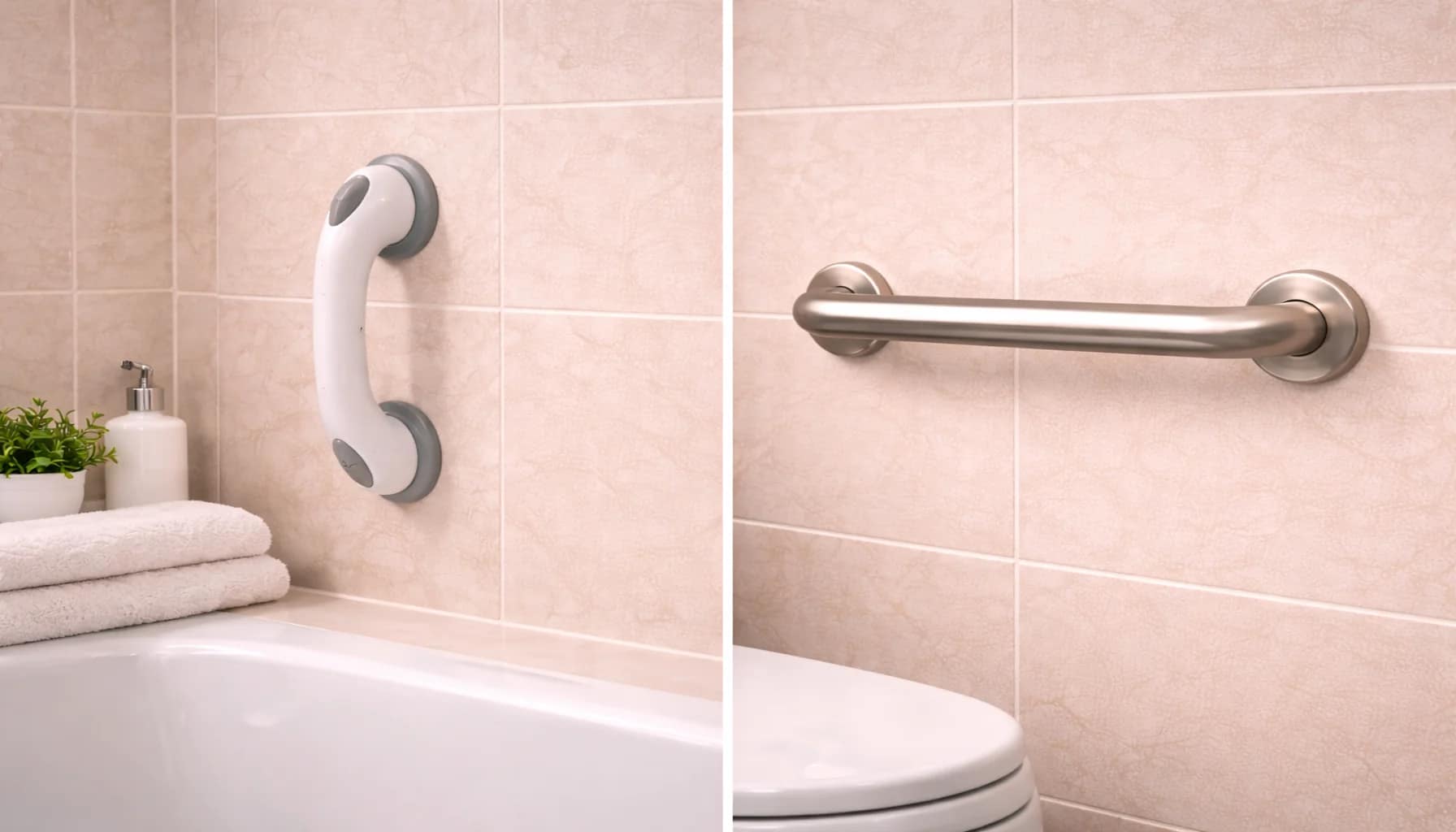
Grab bars are available in several materials, but stainless steel is one of the most commonly used options for bathroom safety.
Because grab bars are often exposed to water and humidity, the material used in the bar plays a major role in its durability and reliability.
This leads many homeowners to ask: are stainless steel grab bars better than other materials for long-term bathroom safety?
In many cases, stainless steel grab bars are preferred because they combine strength, corrosion resistance, and long-term durability.
Understanding the advantages and limitations of stainless steel grab bars can help determine whether they are the right choice for your bathroom.
Disclosure: As an Amazon Associate, I earn from qualifying purchases. This post may contain affiliate links. If you purchase through these links, I may earn a small commission at no extra cost to you. I only recommend products I would feel comfortable using in my own home. Learn more.
On This Page
- Why Stainless Steel Is Commonly Used for Grab Bars
- Strength and Weight Support
- Are Stainless Steel Grab Bars Required by Safety Standards?
- Corrosion Resistance in Bathrooms
- Stainless Steel Grab Bars in Showers and Wet Areas
- Durability and Long-Term Reliability
- Stainless Steel vs Other Grab Bar Materials
- Grip and Surface Texture
- When Stainless Steel Grab Bars May Not Be Necessary
- What I Recommend
- FAQ
- Final Thoughts
Quick Answer
Yes, stainless steel grab bars are often considered one of the best options for bathroom safety because they provide strong support and excellent resistance to corrosion.
Compared with other materials, stainless steel grab bars typically offer:
- high structural strength
- resistance to rust and corrosion
- long-term durability in humid environments
For these reasons, stainless steel grab bars are widely used in both residential bathrooms and accessible public spaces.
Why Stainless Steel Is Commonly Used for Grab Bars
Bathrooms are high-moisture environments where materials must withstand water exposure over long periods.
Stainless steel performs well in these conditions because it resists corrosion better than many other metals.
When evaluating are stainless steel grab bars better, one major advantage is their ability to maintain structural strength even after years of exposure to humidity.
This durability makes stainless steel a popular material for safety equipment used in showers, bathtubs, and near toilets.
Strength and Weight Support
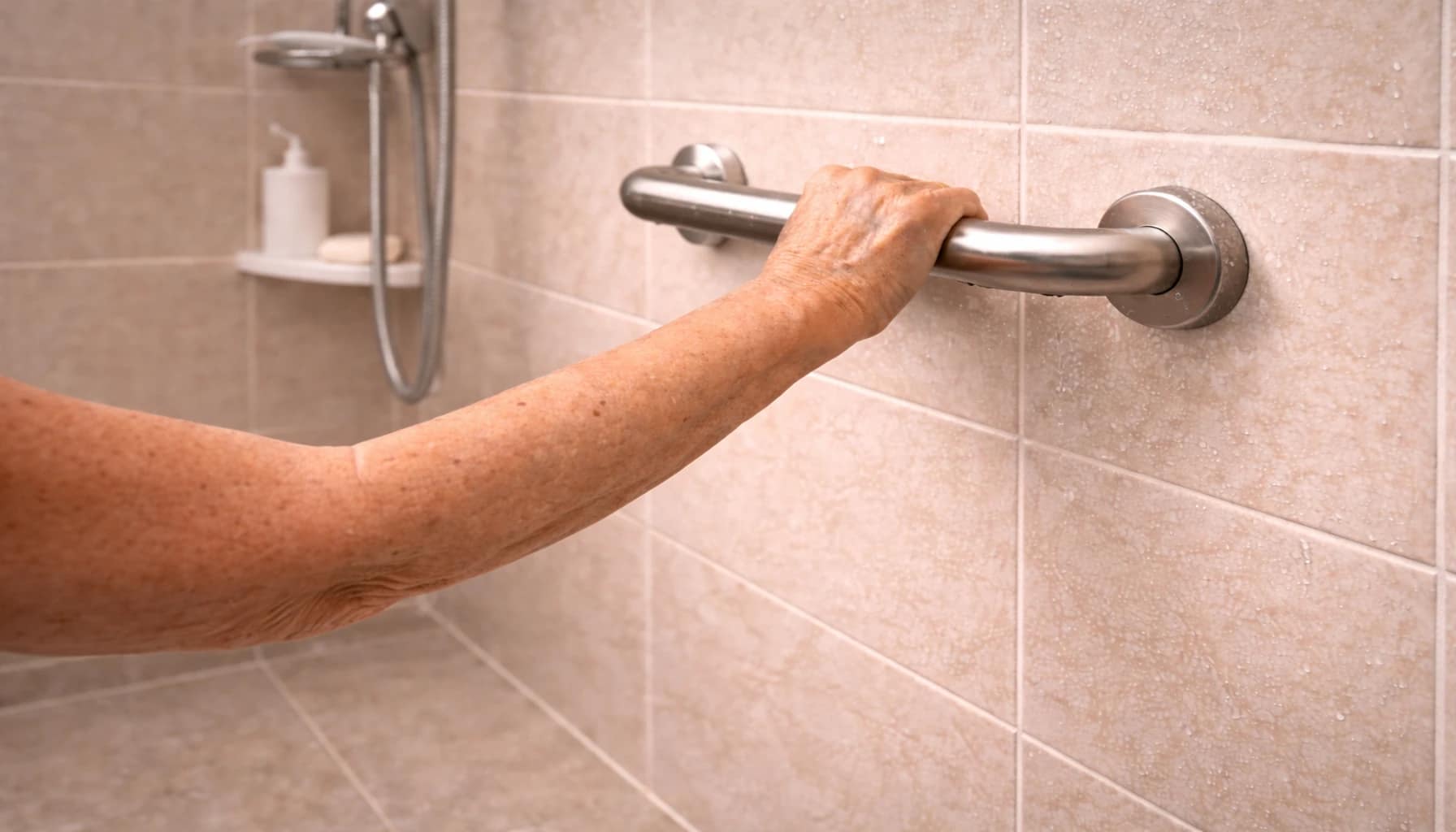
Grab bars must be able to support significant weight when a person relies on them for balance.
High-quality stainless steel grab bars are designed to meet safety standards that typically require grab bars to support at least 250 pounds of force.
In practice, many properly installed stainless steel grab bars can support significantly more weight than this minimum requirement.
Because stainless steel is both strong and rigid, it can handle the type of force grab bars must withstand when someone suddenly grabs the bar to prevent a fall.
If you want to understand the strength requirements for grab bars, reviewing how strong should grab bars be can help explain the safety standards used in bathroom installations.
Are Stainless Steel Grab Bars Required by Safety Standards?
Safety standards do not require grab bars to be made from stainless steel specifically.
However, accessibility guidelines typically require grab bars to meet certain strength and durability standards.
Because stainless steel is strong and resistant to corrosion, it is often used to meet these requirements.
When considering are stainless steel grab bars better, many installers choose stainless steel because it reliably meets safety standards for weight support and long-term durability.
For a full overview of these safety guidelines, you can review ADA grab bar requirements.
Corrosion Resistance in Bathrooms
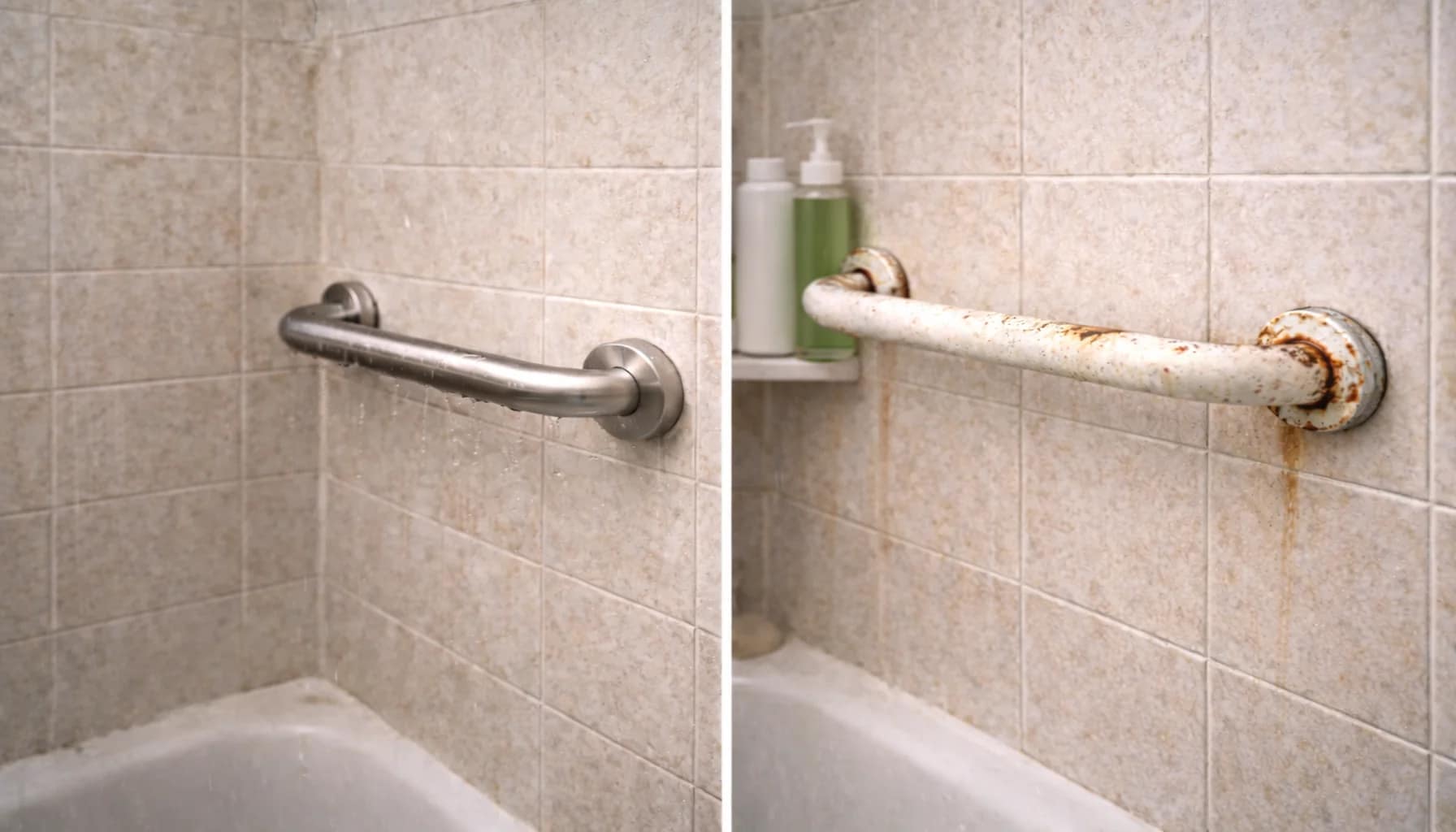
Bathrooms expose grab bars to constant moisture from showers, steam, and cleaning products.
Over time, some materials may weaken, rust, or degrade in these conditions.
One of the main reasons people ask are stainless steel grab bars better is because stainless steel resists corrosion extremely well.
The protective chromium layer on stainless steel helps prevent rust from forming even in humid environments.
This makes stainless steel grab bars especially suitable for showers and bathtubs where water exposure is frequent.
Stainless Steel Grab Bars in Showers and Wet Areas
Showers are one of the most demanding environments for grab bars because the bars are exposed to constant water, soap, and humidity.
Because of this, materials that resist corrosion tend to perform better over time.
When evaluating are stainless steel grab bars better, one major advantage is how well stainless steel performs in wet environments.
The protective chromium layer that forms on stainless steel helps prevent rust and surface damage even when the bar is exposed to water regularly.
For this reason, stainless steel grab bars are commonly installed in showers and bathtub walls where moisture exposure is highest.
If you are planning shower installations, reviewing where to place grab bars in a shower can help determine the safest locations for grab bars in wet areas.
Durability and Long-Term Reliability
Another advantage of stainless steel grab bars is their long service life, especially in bathrooms where constant moisture can cause other materials to degrade over time.
Because the material resists corrosion and maintains structural strength, stainless steel grab bars can remain reliable for many years.
When installed securely into wall studs, stainless steel grab bars typically require very little maintenance.
This long-term durability is one reason stainless steel grab bars are commonly used in hospitals, accessible public restrooms, and residential safety upgrades.
In higher-demand environments where repeated force and greater weight loads are expected, choosing reinforced options such as grab bars built for heavy-duty use can provide additional confidence in long-term performance.
Stainless Steel vs Other Grab Bar Materials
When comparing grab bar materials, stainless steel is often evaluated alongside other options such as plastic or coated metals.
Plastic grab bars are typically lightweight and sometimes used for temporary support.
However, when people compare materials and ask are stainless steel grab bars better, the answer often depends on the level of support needed.
Stainless steel grab bars generally provide stronger structural support than plastic bars designed for temporary use.
For a broader breakdown of how different materials compare in durability, safety, and long-term performance, see grab bar materials.
If you’re considering plastic options, understanding whether plastic grab bars are actually safe can help you decide when they are appropriate—and when they’re not.
Grip and Surface Texture
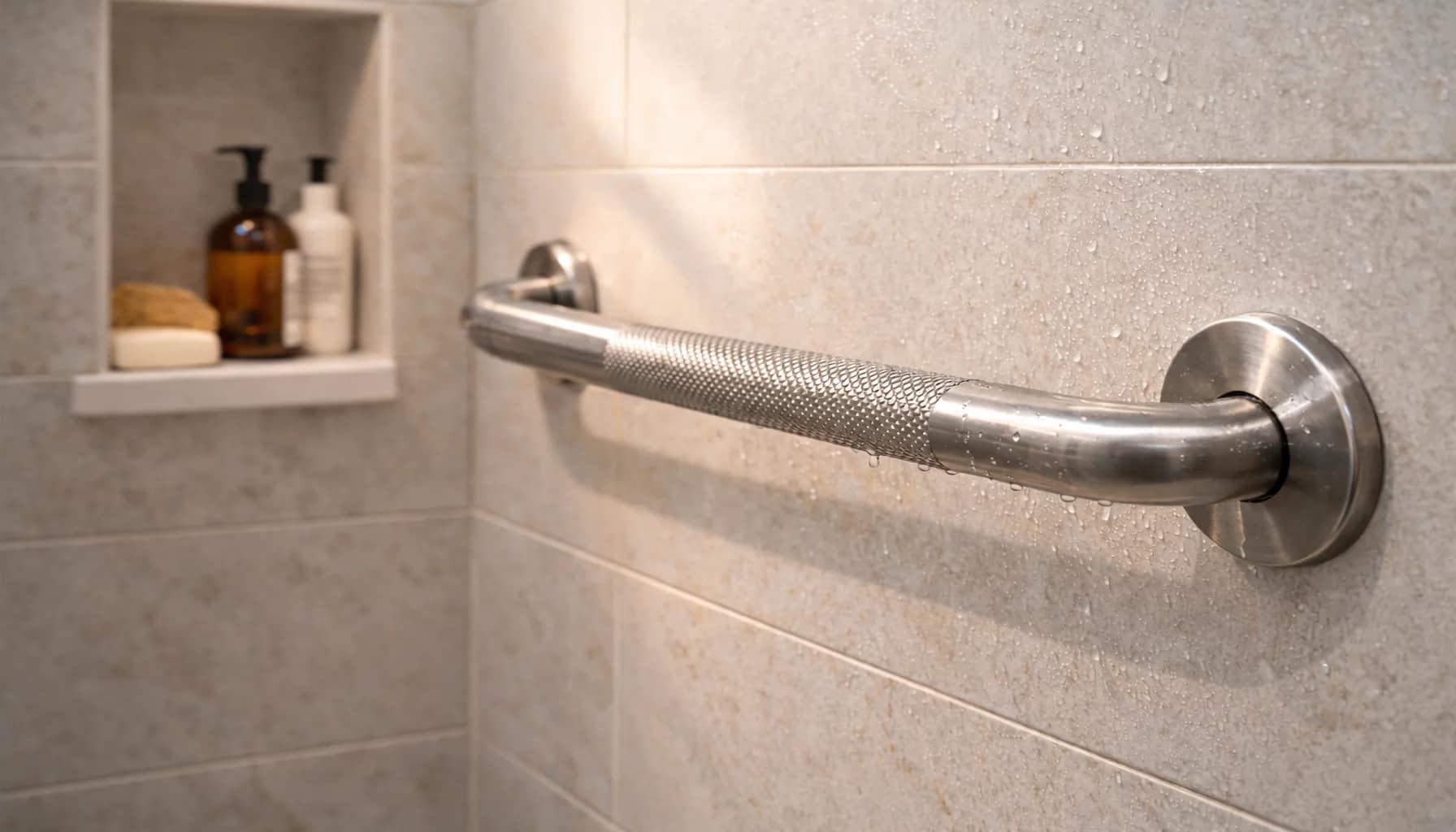
Some people worry that stainless steel grab bars may feel slippery, especially in wet environments such as showers.
If you’re unsure whether a grab bar is secure after installation, learning how to test grab bar stability can help confirm the bar is firmly mounted.
However, many stainless steel grab bars include textured or knurled finishes that improve grip.
These textured surfaces help prevent hands from slipping, especially in wet environments such as showers.
In addition, some stainless steel grab bars include coatings designed to improve comfort and grip.
Because of these design features, stainless steel grab bars can provide both strong support and reliable grip.
When Stainless Steel Grab Bars May Not Be Necessary
Although stainless steel grab bars are often a strong choice, they may not always be required in every situation.
For example:
- temporary grab bars used for travel
- portable grab bars used in rental homes
- short-term recovery situations
In these cases, lightweight grab bars designed for temporary use may still provide helpful balance support, although they are typically not intended to support full body weight.
However, for long-term bathroom safety, many homeowners still prefer permanently installed grab bars made from strong materials.
What I Recommend
If I were installing grab bars for long-term bathroom safety, I would usually choose stainless steel grab bars.
They provide strong structural support and perform well in humid bathroom environments.
Stainless steel grab bars are also widely available in many sizes and designs, making them suitable for different bathroom layouts.
For most permanent installations, stainless steel grab bars offer a reliable balance of strength, durability, and corrosion resistance.
FAQ
Are stainless steel grab bars stronger than plastic ones?
Stainless steel grab bars typically provide stronger structural support than plastic grab bars designed for temporary use.
Do stainless steel grab bars rust?
Stainless steel is designed to resist rust and corrosion, which makes it suitable for humid bathroom environments.
Are stainless steel grab bars slippery?
Many stainless steel grab bars include textured or knurled surfaces that improve grip.
Are stainless steel grab bars required for bathrooms?
Stainless steel is not always required, but it is commonly recommended because of its strength and durability.
Are stainless steel grab bars good for showers?
Yes. Stainless steel grab bars perform well in wet environments and are widely used in showers.
Final Thoughts
When considering are stainless steel grab bars better, the answer often depends on the level of support needed and how the grab bar will be used.
Because stainless steel combines strength, durability, and corrosion resistance, it is one of the most widely recommended materials for permanent grab bar installations.
For bathrooms where long-term safety and reliability are important, stainless steel grab bars are often one of the best choices available.
