
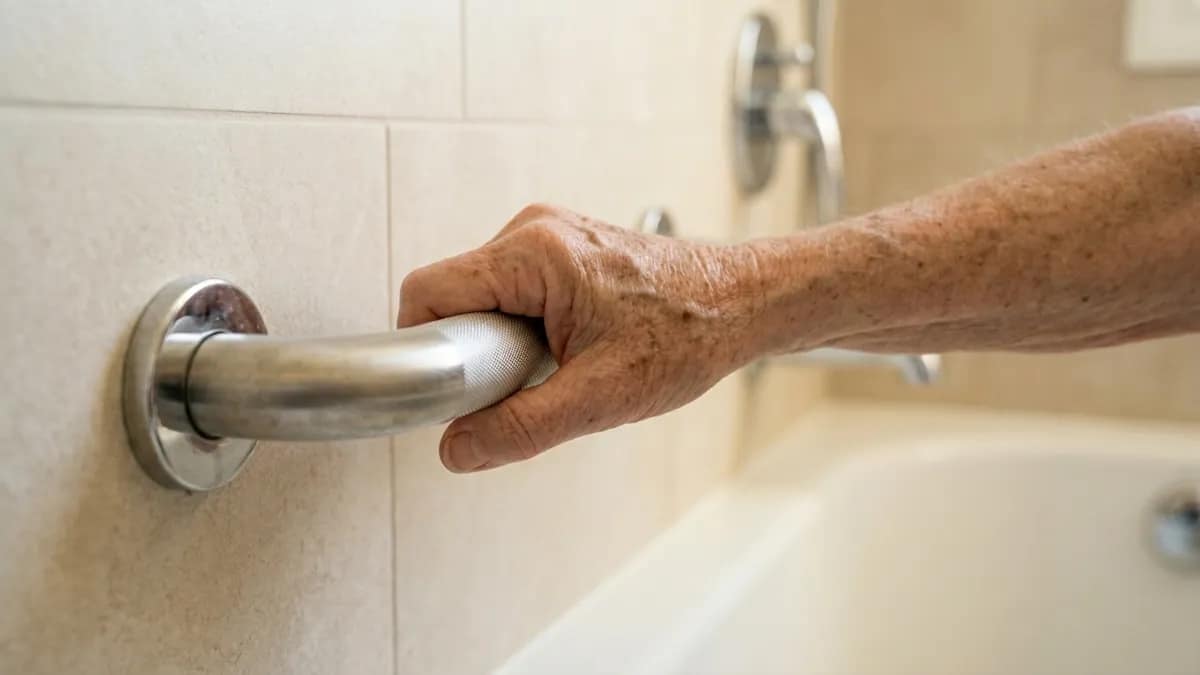
For seniors or individuals with arthritis, using a standard grab bar is not always as simple as it seems. Weak grip strength, joint pain, and reduced hand flexibility can make it difficult to hold onto smooth or narrow surfaces—especially in wet bathroom conditions.
When choosing the best grab bars for arthritis and weak grip, the focus shifts from just strength to comfort and control. A grab bar that feels secure and easy to hold can significantly reduce the risk of slips and improve confidence during everyday movements.
The right combination of grip texture, diameter, and placement can make a noticeable difference in how safe and usable a bathroom feels.
Disclosure: As an Amazon Associate, I earn from qualifying purchases. This post may contain affiliate links. If you purchase through these links, I may earn a small commission at no extra cost to you. I only recommend products I would feel comfortable using in my own home. Learn more.
On This Page
- Which Grab Bar for Arthritis and Weak Grip Makes the Most Sense?
- Best Grab Bars for Arthritis and Weak Grip by Situation
- Best Grab Bars for Arthritis and Weak Grip (Top Picks)
- How to Choose Grab Bars for Arthritis and Weak Grip
- Where to Place Grab Bars for Weak Grip Users
- Common Mistakes to Avoid
- Signs a Standard Grab Bar May Not Be Enough
- When Grab Bars Alone Are NOT Enough
- What I Recommend
- FAQ
- Final Thoughts
Quick Answer
The best grab bars for arthritis and weak grip are those with textured surfaces, comfortable diameters (typically 1.25–1.5 inches), and secure installation that allows a stable, non-slip hold even with limited hand strength.
- Textured or knurled surfaces improve grip in wet conditions
- Proper diameter makes it easier to hold without strain
- Ergonomic positioning reduces wrist and joint discomfort
- Secure installation prevents movement or instability
For users with weak grip strength, the right grab bar should feel secure without requiring a tight squeeze — because comfort and control are what ultimately prevent slips.
Quick decision guide:
- Weak grip or slippery hands: choose textured or knurled bars
- Hand pain or joint stiffness: choose thicker diameter (1.5-inch)
- Sensitive hands: consider softer or coated grip surfaces
Which Grab Bar for Arthritis and Weak Grip Makes the Most Sense?
This table compares the top options based on grip feel, comfort, and the trade-offs that matter most for arthritis and weak hand strength.
| Product | Best Use Case | Grip Feel | Stands Out | Watch-Out | Action |
|---|---|---|---|---|---|
| Our PickBest Overall ZUEXT 24-Inch Grab Bar (2-Pack) |
Arthritis or weak grip needing a secure daily hold | Knurled 1.25-inch grip | Balanced texture, comfort, and flexibility | May feel rough on very sensitive hands | Check on Amazon |
| BEST TEXTURED GRIP Munzong 24-Inch Grab Bar |
Wet bathrooms needing maximum traction | Aggressive knurled 1.25-inch grip | Superior grip in wet conditions | Less comfortable if you prefer a smoother grip | Check on Amazon |
| BEST THICK GRIP Moen 24-Inch Grab Bar |
Hand pain or users preferring a thicker grip | Thicker 1.5-inch grip | Larger diameter reduces hand strain | Prioritizes comfort over maximum traction | Check on Amazon |
| BEST BUDGET Gotega 16-Inch Grab Bar (2-Pack) |
Budget buyers wanting a softer grip | Soft silicone-covered grip | Comfortable for sensitive hands | Silicone may wear faster than textured metal | Check on Amazon |
| BEST DESIGNER Delta Faucet Decorative Grab Bar |
Modern bathrooms where style matters | Smooth decorative grip | Stylish design with reliable support | Less traction than textured or coated grips | Check on Amazon |
Best Overall
ZUEXT 24-Inch Grab Bar (2-Pack)Arthritis or weak grip needing a secure daily holdCheck on Amazon
BEST TEXTURED GRIP
Munzong 24-Inch Grab BarWet bathrooms needing maximum tractionCheck on Amazon
BEST THICK GRIP
Moen 24-Inch Grab BarHand pain or users preferring a thicker gripCheck on Amazon
BEST BUDGET
Gotega 16-Inch Grab Bar (2-Pack)Budget buyers wanting a softer gripCheck on Amazon
BEST DESIGNER
Delta Faucet Decorative Grab BarModern bathrooms where style mattersCheck on Amazon
Note: Grab bars must be securely mounted into studs or proper anchors to provide reliable support. Even the best grip design cannot compensate for poor installation.
Best Grab Bars for Arthritis and Weak Grip by Situation
Choosing the right grab bar depends on how much grip strength is available, how often the bar is used, and whether comfort or stability is the bigger concern.
Best overall for arthritis-friendly support:
The ZUEXT 24-Inch Grab Bar (2-Pack) is the most balanced option for most users. It combines a comfortable diameter with a textured surface, making it easier to maintain a secure hold without needing excessive grip strength.
Best for very weak or slippery grip:
The Munzong 24-Inch Grab Bar works best when maintaining grip is the biggest challenge. The stronger textured surface provides extra friction, which helps prevent slipping in wet conditions.
Best for users with hand pain or limited finger strength:
The Moen 24-Inch Grab Bar is ideal when gripping tightly is difficult or painful. The thicker diameter allows a more relaxed hold, reducing strain on fingers and joints.
Best budget-friendly option:
The Gotega 16-Inch Grab Bar (2-Pack) is a practical choice for users who want added comfort without spending too much. The soft grip covering makes it easier to hold, especially for those with sensitive hands.
Best for modern or design-focused bathrooms:
The Delta Faucet Decorative Grab Bar is best for users who want safety without a clinical look. It blends into the bathroom design while still providing reliable support for everyday use.
Below is a closer look at each option and how they perform for users with arthritis and weak grip strength.
Best Grab Bars for Arthritis and Weak Grip (Top Picks)
Best Overall
ZUEXT 24-Inch Grab Bar (2-Pack)
This is the best overall choice because it balances grip security, comfort, and everyday usability better than the other options in the article. The 1.25-inch diameter feels natural in the hand, while the knurled texture helps maintain control without requiring an unusually tight squeeze.
- 1.25-inch diameter is comfortable for most hands
- Knurled anti-slip surface improves grip in wet conditions
- 2-pack format makes it easier to create multiple support points
- Stainless steel construction supports long-term bathroom use
A strong all-around option when you want better traction without moving too far toward an overly aggressive grip feel.
BEST TEXTURED GRIP
Munzong 24-Inch Grab Bar
This is the best pick when stronger texture matters more than anything else. Its knurled grip surface creates more friction than a standard smooth bar, which can help users who struggle most with slippery hands or reduced hand control in wet bathroom conditions.
- Knurled 1.25-inch grip adds stronger traction
- Stainless steel construction supports long-term durability
- Concealed screw design keeps the installed look cleaner
- Can be installed in multiple orientations depending on the layout
Best when grip security is the top priority and a more aggressive texture is a benefit rather than a drawback.
BEST THICK GRIP
Moen 24-Inch Grab Bar
This Moen bar is the best choice when grip comfort depends more on diameter than on heavy texture. Its thicker 1.5-inch grip can make holding the bar feel more natural and less tiring for users with hand pain, finger stiffness, or difficulty closing the hand tightly around thinner bars.
- 1.5-inch diameter reduces strain for some users
- Peened finish adds some slip resistance without feeling overly rough
- Moen build quality adds confidence for long-term use
- 24-inch length works well in many common bathroom placements
A better fit when hand comfort and reduced grip strain matter more than maximum texture.
BEST BUDGET
Gotega 16-Inch Grab Bar (2-Pack)
A budget-friendly option that stands out more for comfort than raw grip texture. The silicone covering can feel easier on sensitive hands while still giving better control than a basic smooth metal bar.
- Soft silicone grip improves comfort
- 2-pack adds value and placement flexibility
- Compact 16-inch size works well as a secondary support point
BEST DESIGNER
Delta Faucet Decorative Grab Bar
A strong choice for bathrooms where safety hardware needs to blend in visually. It keeps a cleaner, more decorative look than clinical-style grab bars, though the smoother surface makes it less grip-focused than textured alternatives.
- Modern matte-black decorative look
- ADA-oriented support design
- Good fit for visible bathroom placements
How to Choose Grab Bars for Arthritis and Weak Grip
Choosing the right grab bar for arthritis is not just about strength—it’s about how easily and securely you can hold it.
Here are the key factors to focus on:
Grip Diameter
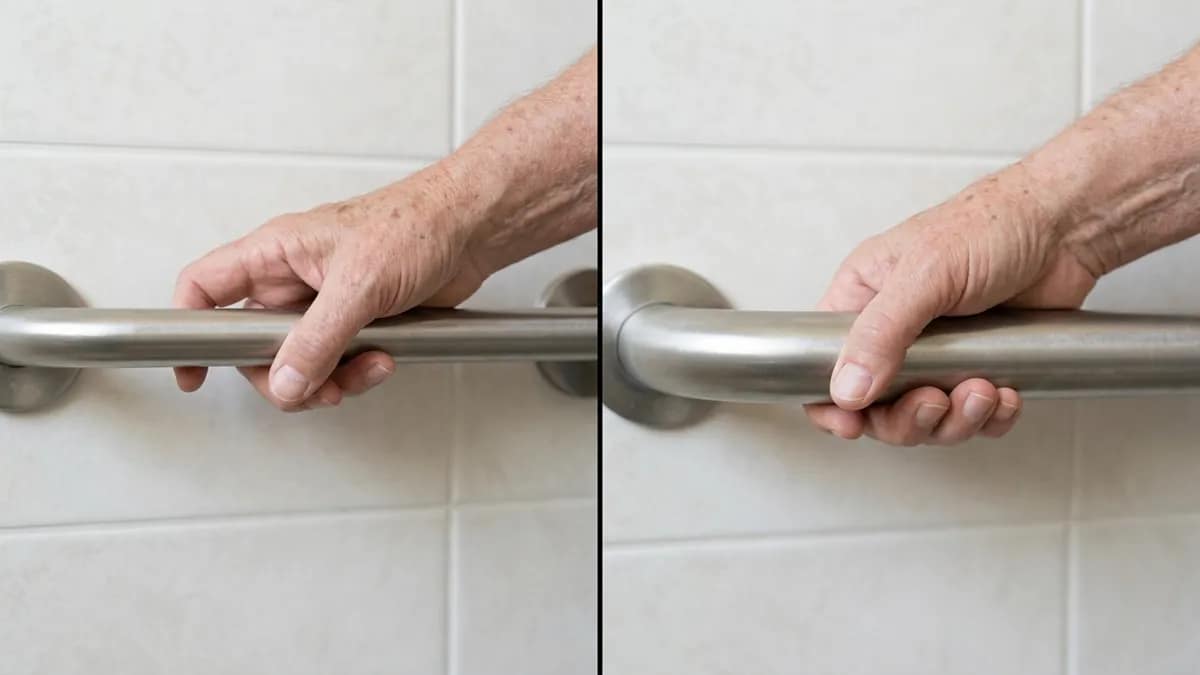
The diameter of the grab bar plays a major role in how comfortable it feels in your hand. Bars that are too thin can be harder to hold, especially for users with reduced grip strength.
In most cases, a diameter between 1.25 and 1.5 inches works best. If you want a deeper breakdown of sizing, this guide on grab bar diameter and grip size explains how different sizes affect usability.
How to tell if the diameter feels right:
Grip the bar the way it would be used during a real movement, not just for a second. If your hand feels strained, overly stretched, or like it has to clamp too hard to stay secure, the diameter may not be the best match.
For many users with arthritis, the best diameter is the one that allows a steady hold without finger strain or a tight squeeze.
Surface Texture
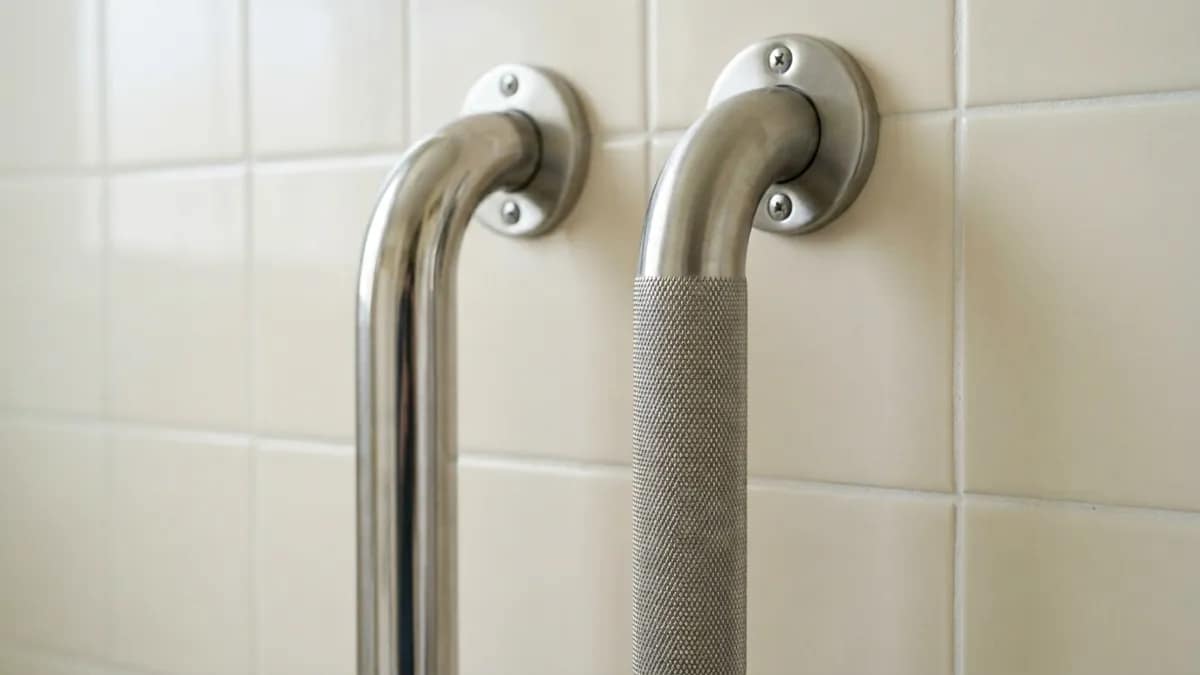
Smooth metal bars can become slippery when wet, which makes them harder to grip for users with arthritis.
Textured or lightly knurled surfaces provide more friction, helping your hand stay in place without needing to squeeze tightly.
Shape and Ergonomics
Straight bars are common, but slight variations in positioning or angle can improve comfort. A grab bar that aligns naturally with your hand position reduces strain on joints and wrists.
This becomes especially important when standing up, turning, or repositioning.
Stability and Installation
Even the best grip design won’t help if the bar feels unstable. A securely mounted grab bar gives you confidence to rely on it without hesitation.
Any movement or looseness can make gripping more difficult, especially for users with weaker hands.
When grip strength is limited, even small looseness matters more because the hand cannot compensate as easily by squeezing harder or correcting the movement quickly.
Real-Life Example
This kind of difference becomes much easier to understand in a real bathroom situation.
Example:
For someone with arthritis, stepping into a wet shower can be challenging. A smooth bar may require a tighter grip, which can cause discomfort or slipping.
A textured grab bar with the right diameter allows a more relaxed hold while still providing stability, making the movement safer and easier.
Where to Place Grab Bars for Weak Grip Users
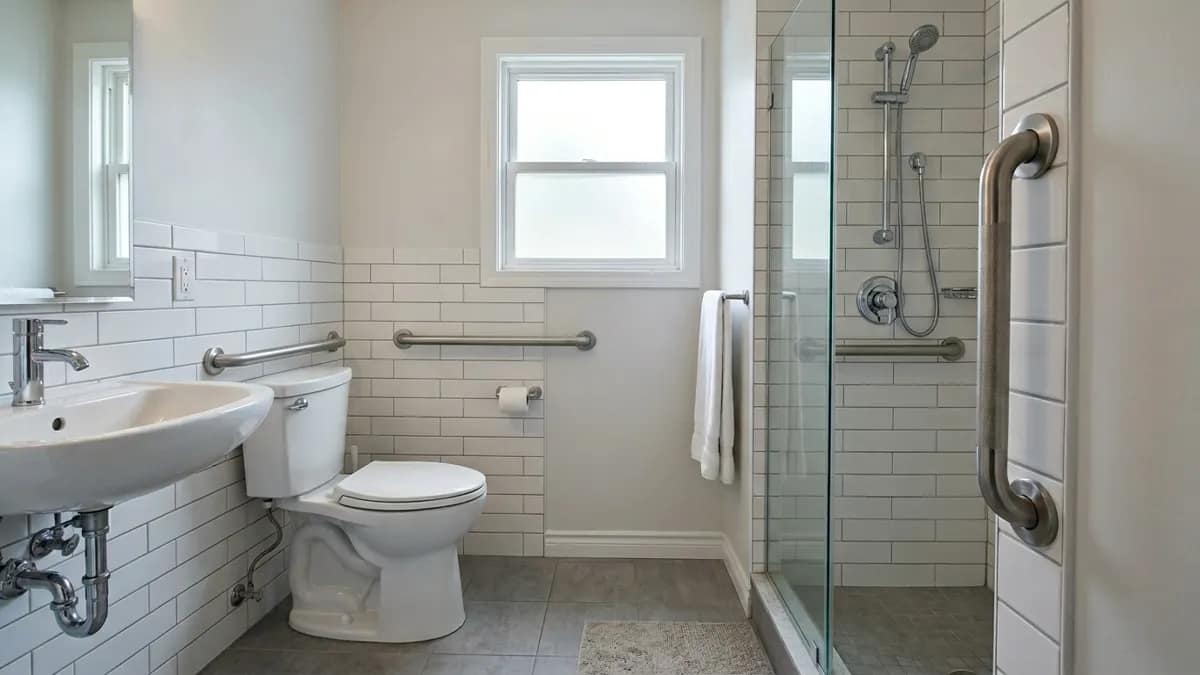
Placement becomes even more important when grip strength is limited.
Focus on these key areas:
- Shower entry
Helps maintain balance during the most unstable moment - Inside the shower (standing area)
Provides support while turning or adjusting position - Near the toilet
Assists with sitting down and standing up - Transition points
Supports movement between different areas
How to sanity-check the placement:
Think about the exact moment the hand will reach for the bar. If it would require stretching, twisting, or grabbing at the last second, the placement probably needs adjustment.
For weak grip users, the best location is usually where the hand can land naturally and early, before balance starts to feel uncertain.
If you want a visual reference for positioning, this guide on grab bar placement diagram shows how grab bars can be placed in real bathroom layouts.
Common Mistakes to Avoid
Choosing the wrong type of grab bar can make it harder to maintain a secure grip.
Here are the most common mistakes:
- Using smooth, slippery grab bars
Reduces grip, especially with wet hands - Choosing the wrong diameter
Too thin or too thick can both reduce comfort - Relying on suction grab bars for support
These may not provide consistent stability - Ignoring placement
Even a good grab bar won’t help if it’s in the wrong position
If you’re considering temporary options, it’s important to understand the limitations. This guide on are suction grab bars safe for seniors explains when they can and cannot be used safely.
Signs a Standard Grab Bar May Not Be Enough
Not every grab bar works equally well for users with arthritis or weak grip. In some cases, a standard smooth grab bar can actually make it harder to maintain a secure hold.
This becomes more likely when:
- You struggle to hold smooth metal surfaces
- Your grip weakens when your hands are wet
- You feel discomfort or pain when gripping tightly
- You cannot fully wrap your hand around thinner bars
- You rely on the grab bar for stability during movement
If one or more of these apply, a standard grab bar may not provide enough grip support. In that situation, choosing a bar with better texture, a more comfortable diameter, or a more hand-friendly grip surface becomes much more important.
If your grip strength is already affected by joint pain, this guide on choosing the right grab bars for arthritis-related grip issues explains how different designs can improve comfort and usability in daily use.
When Grab Bars Alone Are NOT Enough
In some cases, even the right grab bar may not fully solve stability issues.
- Severe arthritis may limit grip strength significantly
- Balance issues may require additional support
- Standing for long periods may not be comfortable
Example:
A user with severe arthritis may still struggle even with a well-placed grab bar if hand strength drops too much during standing or turning. In that situation, adding a shower chair or another support tool can make the setup feel much safer than relying on grip strength alone.
In these situations, combining grab bars with other safety tools—such as shower chairs—can provide better overall support.
For broader safety planning, this guide on grab bars for elderly explains how grab bars fit into a complete bathroom safety setup.
What I Recommend
If you have arthritis or weak grip, the most important factor is not how strong the grab bar is—but how easy it is to hold securely without straining your hand.
For most people, the ZUEXT 24-Inch Grab Bar (2-Pack) is the best overall choice. It combines a comfortable diameter with a textured surface, making it easier to maintain a secure hold without needing a tight squeeze. This becomes especially important in wet conditions where grip strength naturally decreases.
ZUEXT 24-Inch Grab Bar (2-Pack)
In many cases, choosing a grab bar that feels stable and easy to hold in real use will make a bigger difference than focusing on specifications alone.
FAQ
Are grab bars safe for people with arthritis?
Yes, but only if they are easy to grip. Textured surfaces and proper diameter make a significant difference.
What diameter grab bar is best for weak grip?
Most users find 1.25 to 1.5 inches to be the most comfortable range.
Are textured grab bars better for arthritis?
Yes, textured or knurled surfaces improve grip, especially in wet conditions.
Can suction grab bars be used for arthritis?
They may help with light balance, but they should not be relied on for full support.
Final Thoughts
Grip strength is often overlooked when choosing grab bars, but it plays a critical role in bathroom safety. For users with arthritis, a grab bar is only effective if it can be held comfortably and securely.
Focusing on texture, diameter, and placement helps create a safer environment without adding unnecessary strain. The goal is not just to install a grab bar, but to choose one that works with your hand strength instead of against it.
In many cases, small upgrades—like a better grip surface or a more comfortable diameter—can make everyday movements noticeably easier. Over time, these improvements add up to greater confidence and reduced fall risk.
