
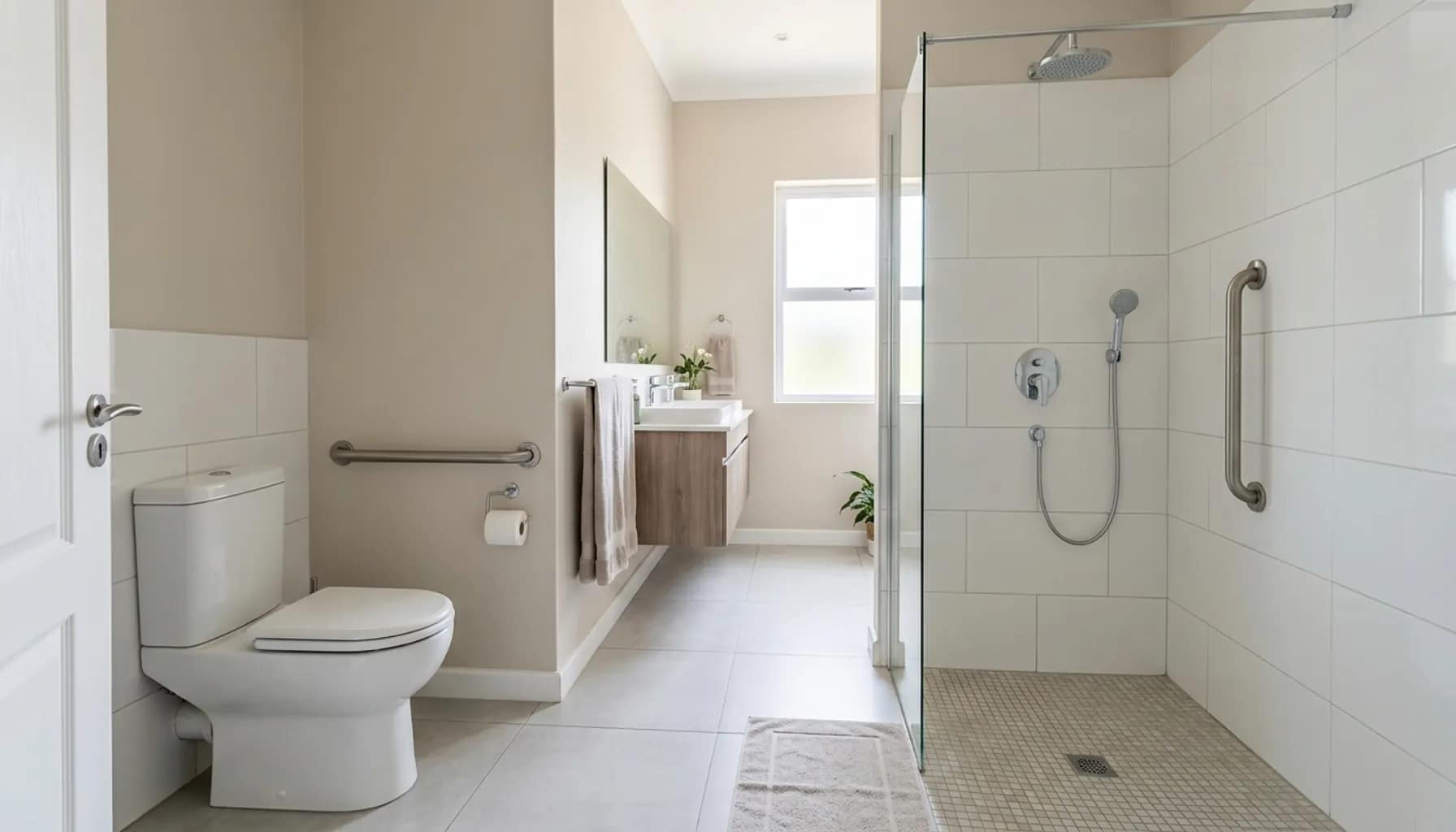
Bathrooms are one of the most common places where seniors experience slips and falls. The combination of water, hard surfaces, and frequent movement creates a higher risk than most people realize.
These incidents usually do not happen during risky behavior. They often occur during everyday movements such as stepping into the shower, turning around, or getting up from the toilet.
This is where grab bars for elderly can make a meaningful difference.
Well-placed grab bars can make everyday bathroom movements feel more stable, controlled, and less stressful, especially for seniors who need extra support.
This guide explains how grab bars for elderly work, the different types available, where they should be installed, and how to choose the right option for real-life use.
Disclosure: As an Amazon Associate, I earn from qualifying purchases. This post may contain affiliate links. If you purchase through these links, I may earn a small commission at no extra cost to you. I only recommend products I would feel comfortable using in my own home. Learn more.
On This Page
Quick Answer
Grab bars for elderly help reduce fall risk by providing stable support when sitting, standing, stepping into a shower, or moving around the bathroom.
- Help reduce fall risk in wet and slippery areas
- Provide balance support during everyday movements
- Available in permanent and temporary options
- Most effective when securely installed into wall studs
Grab bars are not only used during emergencies. They also provide everyday support during routine movements such as standing up, turning, or stepping into a shower.
What Are Grab Bars for Elderly?
Grab bars for elderly are sturdy support bars installed in bathrooms to assist with balance, stability, and movement. They are designed to provide a reliable handhold when performing everyday actions like standing up, sitting down, or stepping into a shower.
Most grab bars are made from durable materials like stainless steel and are built to support full body weight when properly installed. This makes them very different from towel bars or decorative fixtures, which are not designed for safety.
You’ll typically see grab bars installed in three main areas: inside showers, next to toilets, and along bathtubs. Each location serves a specific purpose, helping with different types of movement.
In real-life use, they become part of the routine. Instead of reacting to a loss of balance, people use them proactively to stay steady during normal movements. That’s what makes them so effective.
Why Grab Bars Are Important for Elderly Safety
As people age, balance, strength, and reaction time naturally decline. This makes sudden slips much harder to recover from.
Bathrooms make this risk worse because they combine slippery surfaces, tight spaces, and frequent turning or transferring movements.
Water, soap, and smooth surfaces create a perfect environment for falls. And most falls don’t happen during risky actions—they happen during normal routines like turning or stepping.
Grab bars help reduce that risk in two ways. First, they give immediate support when balance is lost. Second, they make everyday movements more controlled and stable.
If you want a deeper look at the safety benefits, see are grab bars safe for seniors.
They can also improve confidence during everyday bathroom movements. That added sense of stability may help support independence.
Types of Grab Bars for Elderly

Wall-Mounted Grab Bars
These are the most common and reliable option.
They are permanently installed into wall studs and provide strong, stable support. If safety is the priority, this is almost always the best choice.
In many homes, these are installed inside showers and next to toilets. Once installed properly, they provide solid and dependable support.
Suction Grab Bars
Suction grab bars attach to smooth surfaces without drilling. They’re often used in rental homes or temporary setups.
They can be useful for light balance support, such as steadying the body while turning. However, they are generally not reliable for full weight support, especially over time.
These are usually best treated as a temporary solution or as an extra point of contact rather than the main support.
Folding / Flip-Up Grab Bars
Folding grab bars are designed to move out of the way when not in use. They are commonly installed next to toilets.
They are especially helpful in small bathrooms or shared spaces. For example, they can work well in homes where multiple people use the same bathroom and need flexibility.
When needed, they fold down to provide strong support. When not in use, they stay out of the way.
Floor-Mounted or Clamp-On Supports
These are less common but can be useful when wall installation isn’t possible.
Some models attach directly to the toilet or extend from the floor. These designs are often used in situations where drilling into walls is not an option.
They can work well, but stability depends heavily on the design. It’s important to make sure they feel solid before relying on them.
Where to Install Grab Bars for Elderly
Placement matters just as much as the grab bar itself. Even a strong bar won’t help much if it’s not in the right position.
In most bathrooms, there are three key areas to focus on:
- Shower: A horizontal bar along the wall helps with balance while standing, while a vertical bar near the entrance supports stepping in and out.
- Toilet: A side-mounted bar provides leverage when sitting down or standing up. This is especially helpful for people with knee or leg weakness.
- Bathtub: Entry points are the highest risk area. A properly placed bar near the edge helps control that step over the tub wall.
Real-Life Example:
Someone with weaker knees often struggles most when standing up from the toilet. In that case, a well-placed side grab bar can make a noticeable difference in daily comfort.
For more detailed placement guidance, see:
- where to install grab bars in a bathroom
- where to place grab bars in a shower
- where to install grab bars around a toilet
A good general rule is that if reaching for the bar feels natural and requires no adjustment, it is probably placed correctly.
How to Choose the Right Grab Bars for Elderly
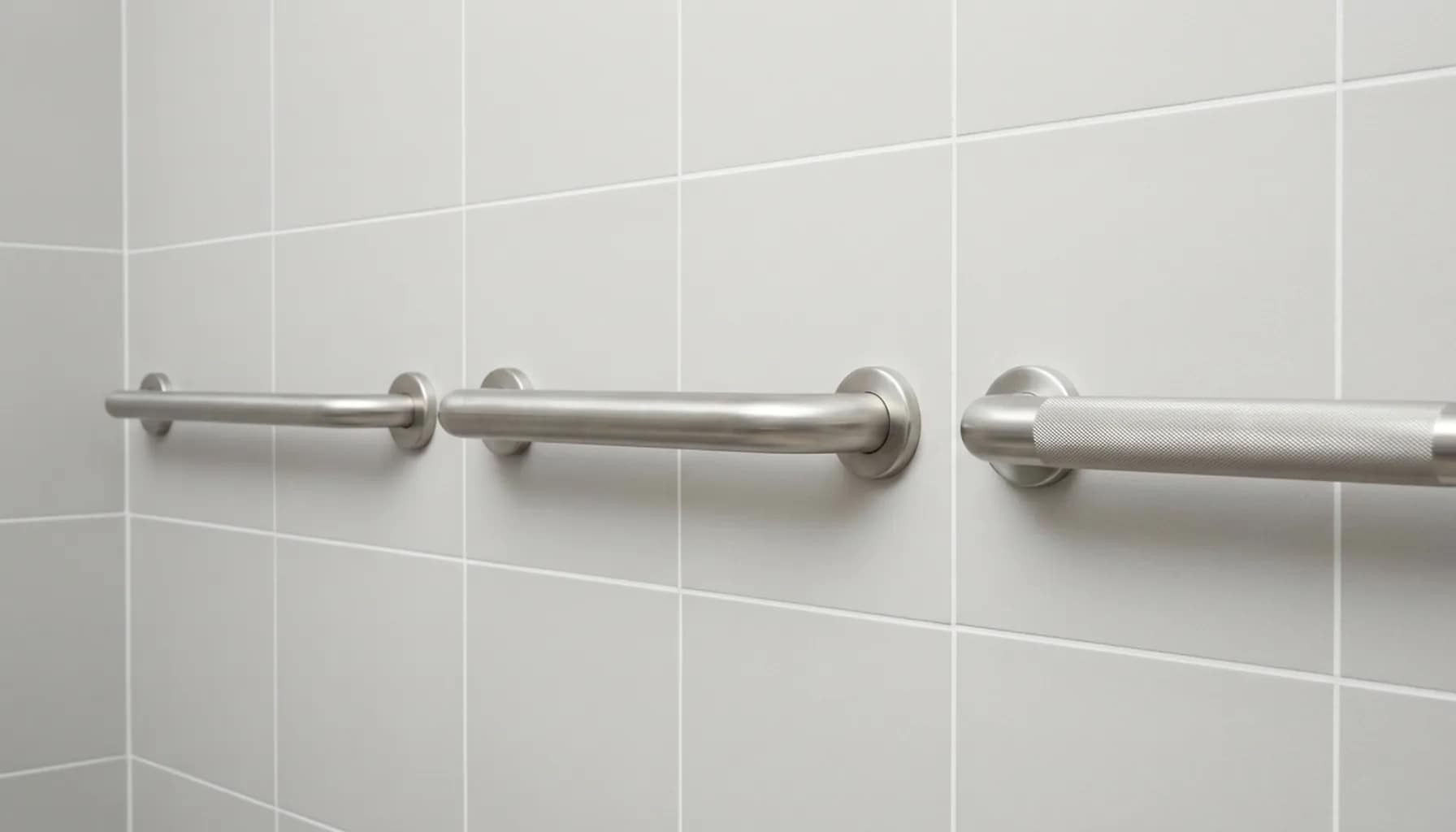
Choosing the right grab bar isn’t complicated, but a few details make a big difference.
Length:
Common sizes are 18, 24, and 36 inches. Longer bars give more flexibility, especially in showers.
Diameter (Grip Size):
Most people find 1.25 to 1.5 inches comfortable. Too thin or too thick can feel awkward.
If you want a closer look at sizing, see grab bar diameter and grip size.
Weight Capacity:
Grab bars should support full body weight. When installed properly, many are designed to handle significant load.
Material:
Stainless steel is usually the best option. It’s durable, rust-resistant, and easy to maintain.
Mounting Type:
Permanent installation into studs provides the most reliable support.
Practical Starting Point:
For most homes, a 24-inch stainless steel wall-mounted grab bar installed into studs is a practical starting point. It covers many common needs and works well in both showers and near toilets, especially when you want a reliable, no-compromise option for everyday support.
If you’re comparing different styles, materials, and configurations for real-world use, exploring grab bars suited for seniors can help you identify options that balance safety, durability, and ease of use across different bathroom setups.
Common Mistakes to Avoid
A few mistakes come up again and again when grab bars are installed or used incorrectly.
Installing into drywall only
This is one of the biggest risks. Without proper anchoring into studs, the bar may not hold when needed.
Placing bars too high or too low
If the bar isn’t at a natural reach height, people won’t use it effectively.
Relying completely on suction bars
They can fail unexpectedly, especially over time.
Skipping stability testing
After installation, it’s important to test the bar under pressure. It should feel completely solid.
If you are unsure how to check this properly, reviewing how to test grab bar stability can help.
Avoiding these mistakes can significantly improve real-world bathroom safety.
What I Recommend
In most real-life situations, secure wall-mounted grab bars installed into studs are usually the best place to start.
They provide the most reliable support and hold up well over time.
If drilling is not possible, temporary options can still help, but they should usually be treated as secondary support rather than the main solution.
It is usually best to focus on the key areas first: shower entry and toilet support. You do not need to cover every wall. You just need the right support in the right places.
FAQ
Are grab bars really necessary for elderly?
In many cases, yes. As balance and strength change with age, grab bars can provide extra stability and help reduce the risk of falls, especially in bathrooms.
Can grab bars prevent falls completely?
No safety feature can guarantee complete prevention. However, grab bars can significantly reduce the risk by providing support during movement.
What type of grab bar is safest for elderly?
Wall-mounted grab bars installed into studs are generally the safest and most reliable option.
Do grab bars need professional installation?
Not always, but proper installation is critical. If you’re unsure about finding studs or securing the bar correctly, professional help is often a good idea.
Final Thoughts
Grab bars for elderly are one of the simplest upgrades you can make for bathroom safety.
They don’t take up much space, and once installed properly, they can make everyday movements much easier and safer.
In many cases, it’s not about reacting after a fall. It’s about preventing one before it happens.
A few well-placed grab bars can meaningfully improve safety and everyday usability in the bathroom.
