
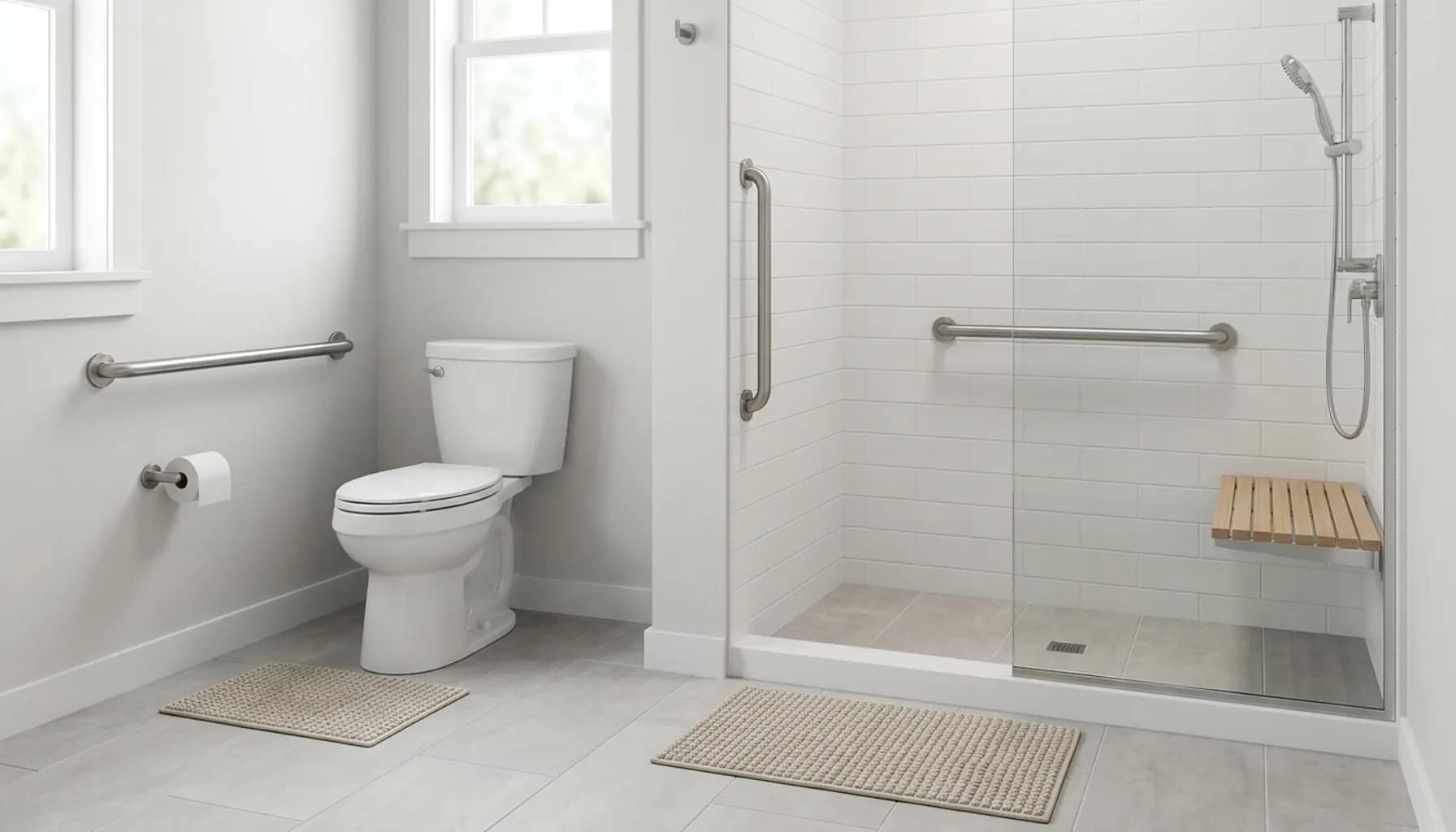
Bathrooms are one of the most common places where falls occur, especially for seniors. Wet surfaces, limited space, and frequent movement increase the risk during everyday activities.
Many of these risks are not obvious until a problem happens. Simple actions like stepping into the shower or standing up from the toilet can become challenging when balance or strength changes.
A structured bathroom safety checklist for seniors helps identify these risks and organize practical improvements. Instead of guessing what to fix, it provides a clear way to make the space safer step by step.
Disclosure: As an Amazon Associate, I earn from qualifying purchases. This post may contain affiliate links. If you purchase through these links, I may earn a small commission at no extra cost to you. I only recommend products I would feel comfortable using in my own home. Learn more.
On This Page
- Why Bathroom Safety Matters for Seniors
- Bathroom Safety Checklist for Seniors (Complete List)
- Most Important Bathroom Safety Items to Prioritize
- How to Use This Bathroom Safety Checklist
- When to Use a Bathroom Safety Checklist for Seniors
- Common Bathroom Safety Mistakes to Avoid
- What I Recommend
- FAQ
- Final Thoughts
Quick Answer
A bathroom safety checklist for seniors is a structured list of safety improvements designed to reduce fall risk and support safe movement during daily activities such as bathing, toileting, and grooming, especially in environments where water, smooth surfaces, and limited support increase the likelihood of slips or loss of balance.
- Install grab bars near the toilet, shower, and bathtub
- Use non-slip mats or textured flooring
- Improve lighting and visibility
- Keep essential items within easy reach
- Remove clutter and trip hazards
This checklist helps identify common risks and organize practical safety upgrades. It is commonly used to evaluate existing bathrooms and guide improvements based on mobility needs.
Why Bathroom Safety Matters for Seniors
Bathrooms combine multiple risk factors in a single space. Water creates slippery surfaces, while hard fixtures increase the likelihood of injury during a fall.
Many high-risk movements happen during normal routines. Stepping over a bathtub edge, turning in a narrow space, or standing up from a seated position all require balance and coordination.
Changes in strength or mobility can make these movements less stable over time. This increases the importance of having reliable support and a well-organized layout.
A safety-focused setup helps reduce these risks and supports more controlled, stable movement during daily use.
Bathroom Safety Checklist for Seniors (Complete List)
A structured checklist makes it easier to evaluate bathroom safety without missing important details. Each section below focuses on a specific risk area commonly associated with slips, instability, or limited accessibility.
Review each category carefully and assess whether the current setup provides enough support for safe and stable movement.
Grab Bars and Support

Support is essential for movements that involve shifting weight, such as standing up or stepping into a shower. Without stable handholds, even small balance issues can increase fall risk.
- Install grab bars near the toilet, inside the shower, and at bathtub entry points.
- Ensure bars are securely mounted into wall studs.
- Position bars at a comfortable and natural reach height
Reviewing grab bar placement examples can help you visualize the safest setup for your space.
Flooring and Slip Prevention
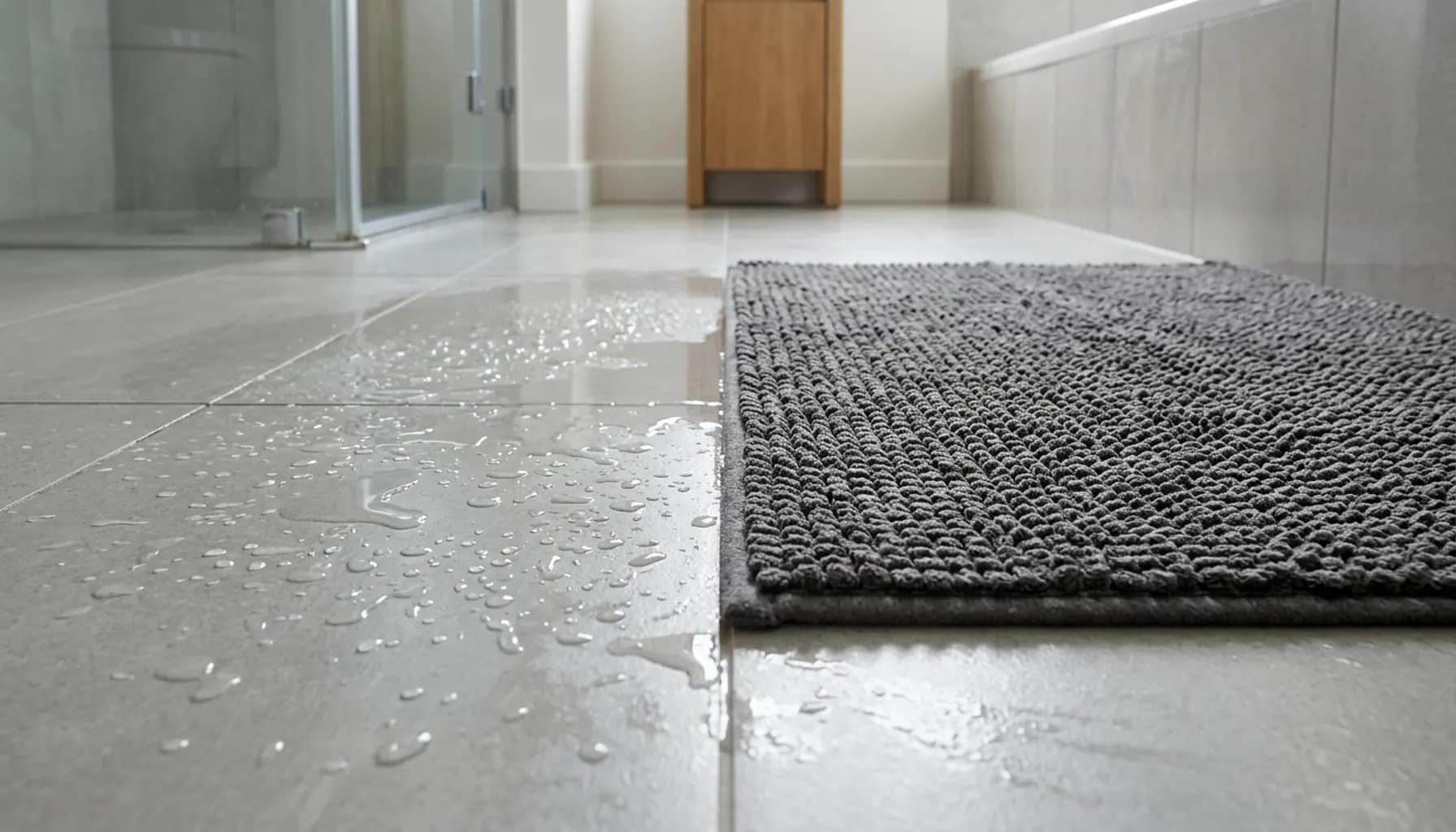
Slippery flooring is one of the most common causes of bathroom falls. Water, soap residue, and smooth tiles can reduce traction quickly.
- Use non-slip mats inside and outside the shower or tub
- Avoid loose rugs or unsecured floor coverings
- Consider textured or slip-resistant flooring surfaces
Even small changes, such as replacing a loose rug, can significantly reduce slipping risk.
Lighting and Visibility
Poor lighting can make it difficult to judge distances or identify hazards, especially at night. Clear visibility is important for safe movement.
- Ensure the bathroom is evenly lit with minimal shadows
- Install night lights for nighttime use
- Keep light switches easy to reach
Lighting should allow clear visibility of the floor, edges, and key fixtures.
Toilet Safety
Standing up from the toilet is one of the most physically demanding movements in the bathroom. It requires balance, leg strength, and controlled motion.
- Use raised toilet seats if sitting and standing is difficult
- Ensure there is enough space for stable movement
- Add side support if additional balance assistance is needed
For setup guidance, see where to install grab bars around a toilet.
Shower and Bathtub Safety

Entering and exiting a shower or bathtub involves stepping over edges and shifting weight on wet surfaces. This is one of the highest-risk movements.
- Use a shower chair or bench for seated bathing
- Install a handheld shower head for better control
- Ensure safe and stable entry and exit points
Adding support at entry points helps reduce instability during transitions.
Accessibility and Layout
The arrangement of items in the bathroom can directly affect safety. Reaching, bending, or twisting in a tight space can increase the chance of losing balance.
- Keep frequently used items within easy reach
- Maintain clear walking paths without obstacles
- Avoid overcrowding the space with unnecessary items
For example, placing soap, towels, and toiletries within arm’s reach reduces the need for stretching or turning while standing on wet surfaces.
Emergency Preparedness
Even with safety improvements, quick access to help is important in case of an incident.
- Keep a phone or alert system accessible
- Ensure the bathroom door can be opened from the outside if needed
Simple precautions can reduce response time during emergencies.
Most Important Bathroom Safety Items to Prioritize
Not all safety improvements have the same impact. Some changes provide immediate risk reduction, while others offer secondary benefits.
The most important items to prioritize include:
- Grab bars in key locations such as near the toilet and inside the shower
- Non-slip surfaces to reduce slipping risk on wet floors
- Adequate lighting to improve visibility during movement
- Stable support for sitting and standing transitions
These elements directly affect balance, stability, and control during daily use. Focusing on these first can significantly improve bathroom safety without requiring major changes to the layout.
Because grab bars play such a central role in reducing fall risk, it’s important to understand how they fit into a broader safety setup.
A more complete approach to bathroom safety with grab bars can help ensure all key risk areas are properly addressed.
How to Use This Bathroom Safety Checklist
Start by reviewing one area at a time instead of trying to evaluate the entire bathroom at once. Focus on high-risk zones such as the shower, toilet, and flooring, where most slips and balance-related issues occur.
Look for missing safety features, such as lack of support bars, slippery surfaces, or poor lighting. Pay attention to movements that require extra effort, including stepping over edges, turning in tight spaces, or standing up from a seated position.
Prioritize improvements based on risk level. Address areas where instability is most likely to occur before moving on to lower-risk adjustments. This approach allows meaningful safety improvements without requiring a full renovation.
Revisit the checklist periodically. As mobility, strength, or daily routines change, the bathroom setup may need adjustments to remain safe and effective.
When to Use a Bathroom Safety Checklist for Seniors
A bathroom safety checklist is most useful during key moments when risk levels may increase or when changes occur in daily routines.
- After a fall or near-fall incident
- When balance, strength, or mobility changes
- After moving into a new home or bathroom setup
- When setting up a space for caregiving
- As part of regular safety reviews over time
Using a checklist during these situations helps ensure that important safety features are not overlooked.
These are also the points where it makes sense to consider when to add grab bars for seniors to improve safety before risks increase further.
Common Bathroom Safety Mistakes to Avoid
One common issue is assuming that the current setup is already safe. Small risks can go unnoticed until they cause a problem.
Another mistake is relying too heavily on temporary solutions, such as unsecured mats or suction-based supports, without verifying stability.
For fixed installations like grab bars, it is important to confirm they are secure, especially since even a properly installed bar can become unsafe over time if not checked regularly. Knowing how to test grab bar stability helps ensure it remains reliable during real use.
Improper placement of safety features can also reduce effectiveness. For example, grab bars that are too high or too far away may not provide support when needed.
Regular review and adjustment are important as needs change over time.
What I Recommend
Focus first on the areas with the highest risk, such as the shower and toilet. These locations involve the most frequent movement and require the most support.
Use secure, permanently installed safety features whenever possible, especially for grab bars. Stable support is more effective than temporary solutions.
Keep the layout simple and accessible. Clear pathways and easy access to essential items can improve safety without adding complexity.
Revisit the setup periodically to ensure it still meets current needs.
FAQ
What is the most important item in a bathroom safety checklist for seniors?
Grab bars are often one of the most important additions because they provide stable support during common movements like standing, sitting, and stepping.
How often should a bathroom safety checklist be reviewed?
It is generally recommended to review the checklist periodically, especially after any changes in mobility, health, or living environment.
Are grab bars necessary in every bathroom?
While not always required, grab bars are commonly recommended in key areas such as near the toilet and inside the shower to improve stability.
Can small bathrooms still be made safe?
Yes, even small bathrooms can be made safer by using space-efficient solutions such as properly placed grab bars, improved lighting, and minimizing clutter.
Final Thoughts
Improving bathroom safety does not require a complete renovation. In most cases, addressing a few key areas can significantly reduce risk.
Start with the highest-impact changes, such as adding grab bars and improving slip resistance. These adjustments provide immediate benefits for stability and control.
Using a checklist helps ensure that no important details are overlooked. Reviewing the setup periodically also helps maintain safety as needs change over time.
