
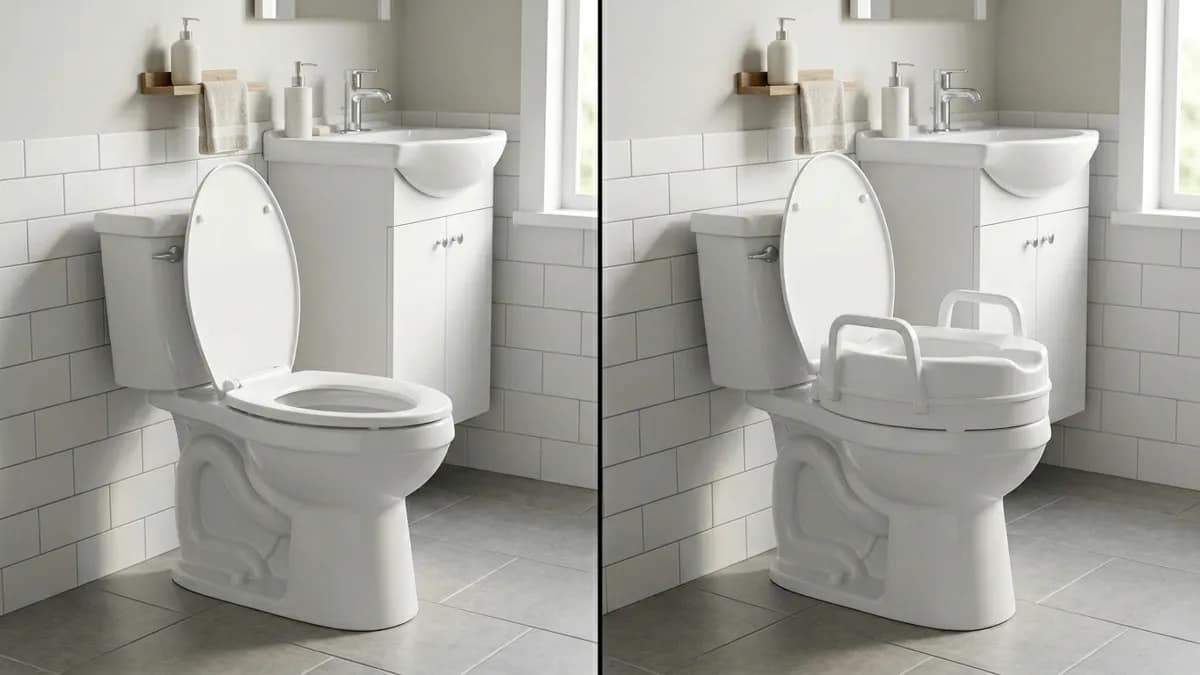
Raised toilet seats increase toilet height to make sitting and standing easier, but the exact amount of added height directly affects comfort and stability during use.
The answer to how much height does a raised toilet seat add depends on the model, but more importantly, it depends on how that added height affects comfort and stability during everyday use.
Choosing the right height is not just about adding inches. It is about finding a level that reduces strain while still allowing you to sit, stand, and balance comfortably.
Disclosure: As an Amazon Associate, I earn from qualifying purchases. This post may contain affiliate links. If you purchase through these links, I may earn a small commission at no extra cost to you. I only recommend products I would feel comfortable using in my own home. Learn more.
On This Page
Quick Answer
A raised toilet seat typically adds between 2 and 5 inches, with most users choosing 3–4 inches option for better comfort and ease of movement.
- 2-inch → slight support with more natural movement
- 3-inch → balanced option for most users
- 4-inch → reduces effort when standing
- 5-inch or more → used for limited mobility or recovery
The right height depends on your current toilet height and how much assistance you need when sitting down and standing up. The goal is to reduce strain while maintaining stability and control.
Quick decision guide:
- Mild difficulty: 2–3 inches
- Moderate difficulty: 3–4 inches
- Limited mobility or recovery: 4–5 inches
Standard Raised Toilet Seat Height Options
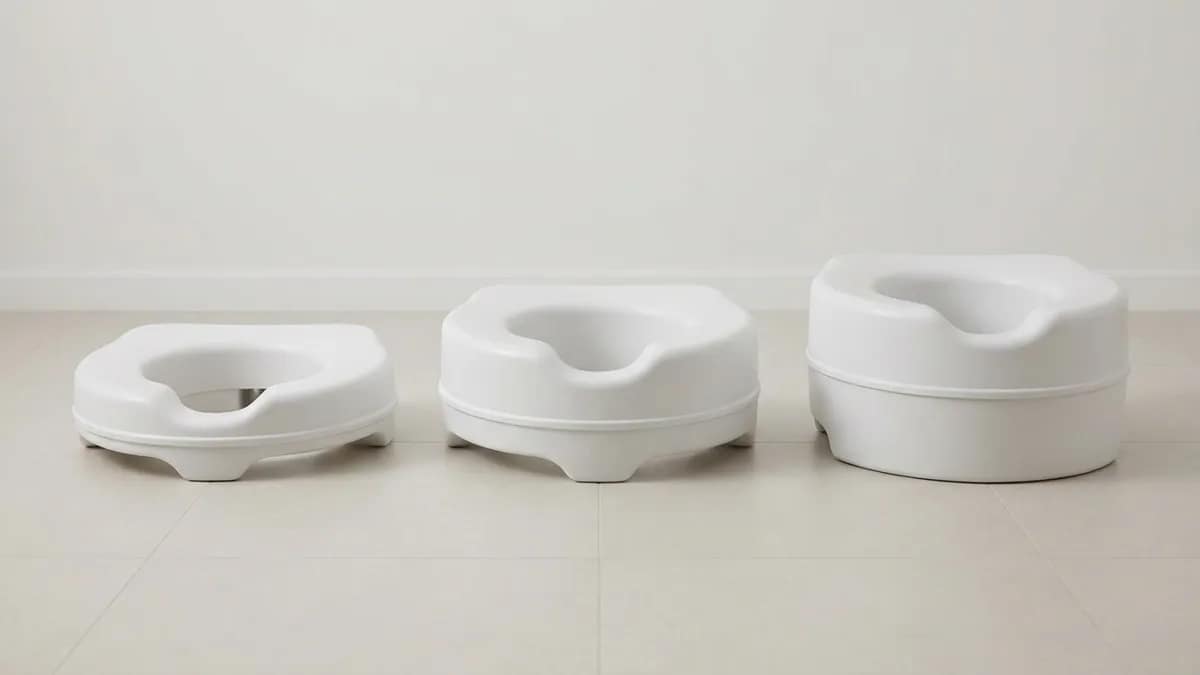
To understand how much height does a raised toilet seat add, it helps to look at the standard height options and how each one affects movement.
2-Inch
This provides a small adjustment and works best when only slight support is needed. It helps reduce strain while keeping movement very close to normal.
3-Inch
This is the most common option and works well for a wide range of users. It provides noticeable relief without affecting balance too much.
4-Inch
This level is better for users who have more difficulty standing. It reduces effort significantly but may start to feel higher than normal.
5-Inch or Higher
This is used when bending is very limited. While it offers the most support, it can also feel less stable if not combined with proper setup.
If you’re unsure which level fits your situation, this guide on what height raised toilet seat you need explains how to match these options to your needs.
These standard options provide a starting point, but choosing the right one depends on several personal factors.
What Determines How Much Height You Need
The amount of height you need is not just about the product—it depends on how your body moves. Understanding how much height does a raised toilet seat add helps connect these standard options to your actual needs.
The main factors include:
- Current toilet height
A lower toilet may require more added height than a comfort-height toilet. - User height
Taller individuals often need less added height, while shorter users may need more. - Mobility level
Limited knee or hip movement increases the need for elevation. - Recovery or medical conditions
Situations like joint pain or surgery can change how much height feels comfortable.
Real-Life Example:
Someone using a low standard toilet with mild knee stiffness may only need a 2 or 3-inch raise to feel comfortable. In contrast, someone recovering from hip surgery may need a 4-inch or higher option to reduce bending, even if their toilet is already slightly elevated.
To understand how your existing toilet affects these choices, it helps to compare standard and elevated setups. This guide on standard toilet vs comfort height toilet explains how baseline height plays a role.
In practice, the right amount of height is the one that matches both your body and your current setup.
If you are unsure where to start, a guide on how to measure for a raised toilet seat can help confirm toilet height, seating position, and basic fit before choosing added elevation.
How Height Affects Comfort and Stability
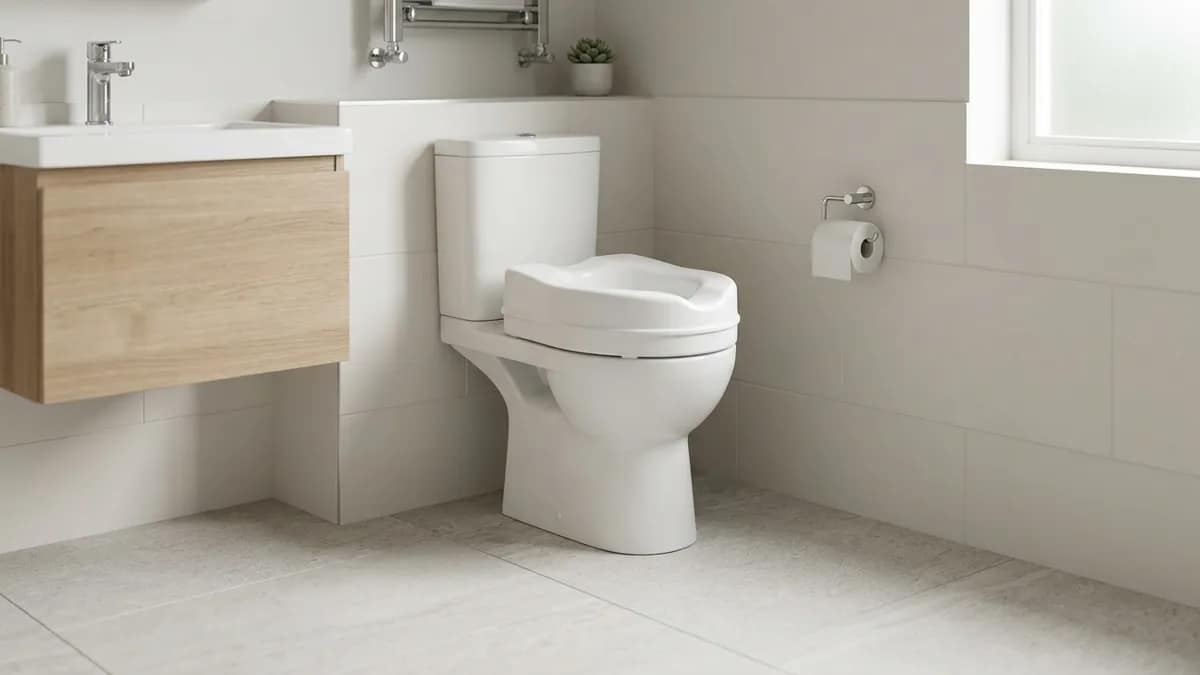
Adding height changes how your body moves, and small differences can have a noticeable impact.
When the height is too low:
- sitting requires more bending
- standing requires more effort
- joints take more strain
When the height is too high:
- feet may not rest flat on the floor
- balance may feel less stable
- sitting can feel less controlled
For example, a seat that feels comfortable at first may start to feel unstable if your feet are not firmly planted. This is often where balance issues begin.
The goal is to find a height that improves comfort without creating new balance issues.
This matters even more for shorter users, because too much added height can leave the feet less planted and make sitting feel less controlled.
Raised Toilet Seat vs Toilet Riser (Height Difference)
Raised toilet seats and toilet risers are often confused because both increase height, but they work differently.
- Raised toilet seat → attaches on top of the toilet
- Toilet riser → installed under the toilet base
In terms of height, both can achieve similar elevation, but the setup and installation are very different.
Raised toilet seats are easier to install and adjust, while risers are more permanent.
Understanding this difference helps you choose not just the height, but the right type of solution.
How to Tell If the Height Is Right
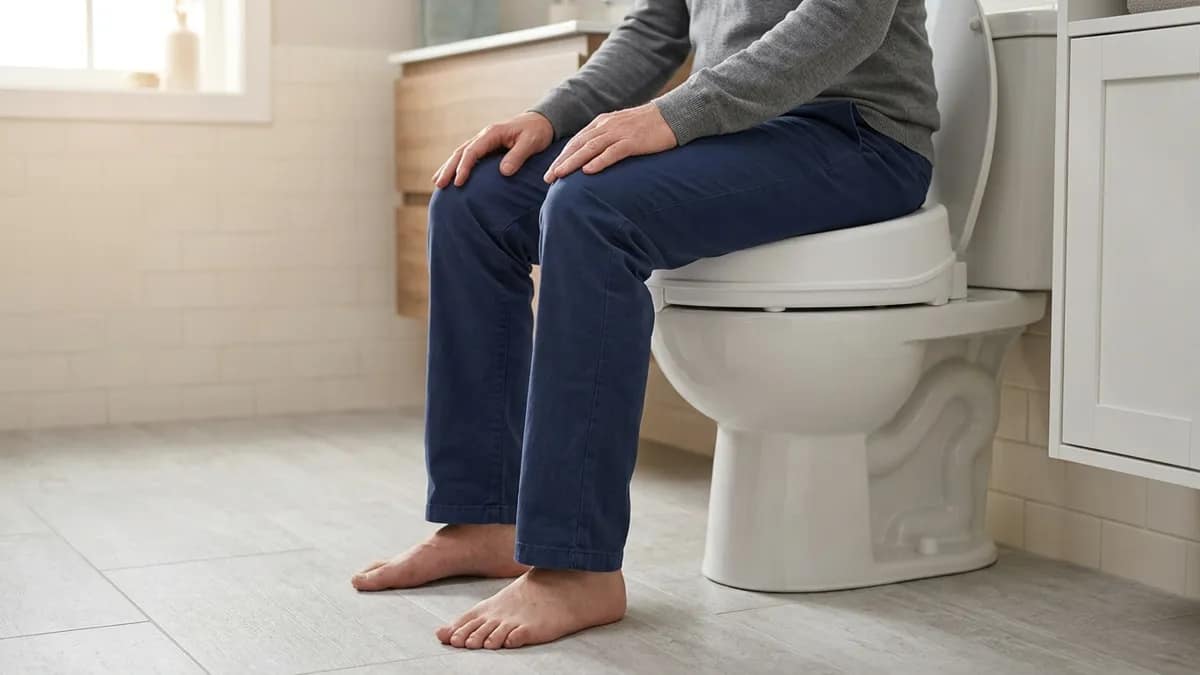
The best way to confirm the right height is to test how it feels during actual use.
What to check:
- Feet position → should be flat on the floor
- Knee position → slightly lower than hips
- Sitting control → no dropping or instability
- Standing effort → easier but still controlled
If the seat feels too high, unstable, or awkward, it usually means the height needs adjustment.
Testing in real use is the most reliable way to confirm your choice.
If you are still deciding between height options after testing, this guide on how to choose a raised toilet seat explains how height, fit, and stability work together when comparing different designs.
When You Might Need More Than Just Height
In some cases, adding height alone does not fully solve the problem.
This usually happens when:
- balance is limited
- movement feels unstable
- standing requires additional support
For example, if you feel the need to hold onto something while sitting or standing, the issue is not just height—it is the lack of support.
In these situations, adding support elements like grab bars can make a noticeable difference. Proper placement is important to ensure they are actually helpful.
This guide on grab bar placement height guidelines explains how to position them effectively.
Combining height with proper support often creates a safer and more comfortable setup.
What I Recommend
In most cases, starting with a 2 to 4-inch raise is the safest and most practical approach.
This range:
- reduces strain
- maintains balance
- keeps movement natural
If more height is needed, it should be added gradually rather than jumping to the highest option.
If you’re comparing different models and how they handle height, stability, and ease of use, it helps to see how these features vary in real products. This guide to the best raised toilet seats for seniors breaks down common options used in everyday situations.
The goal is not to maximize height, but to find a level that makes everyday movement easier and more controlled.
FAQ
How many inches does a raised toilet seat add?
Most models add between 2 and 5 inches.
Is 2 inches enough?
It can be enough for mild support needs, especially if balance is not an issue.
Can a raised toilet seat be too high?
Yes, too much height can reduce stability and make sitting feel less controlled.
What is the most common height?
3 inches is the most commonly used option.
How do I measure toilet height?
Measure from the floor to the top of the toilet seat.
Final Thoughts
Understanding how much height does a raised toilet seat add is only the starting point—the real goal is finding a height that feels stable and comfortable during everyday use.
The right choice improves comfort, reduces strain, and maintains stability at the same time.
Taking the time to choose and test the correct height leads to a setup that feels both safe and natural to use.
