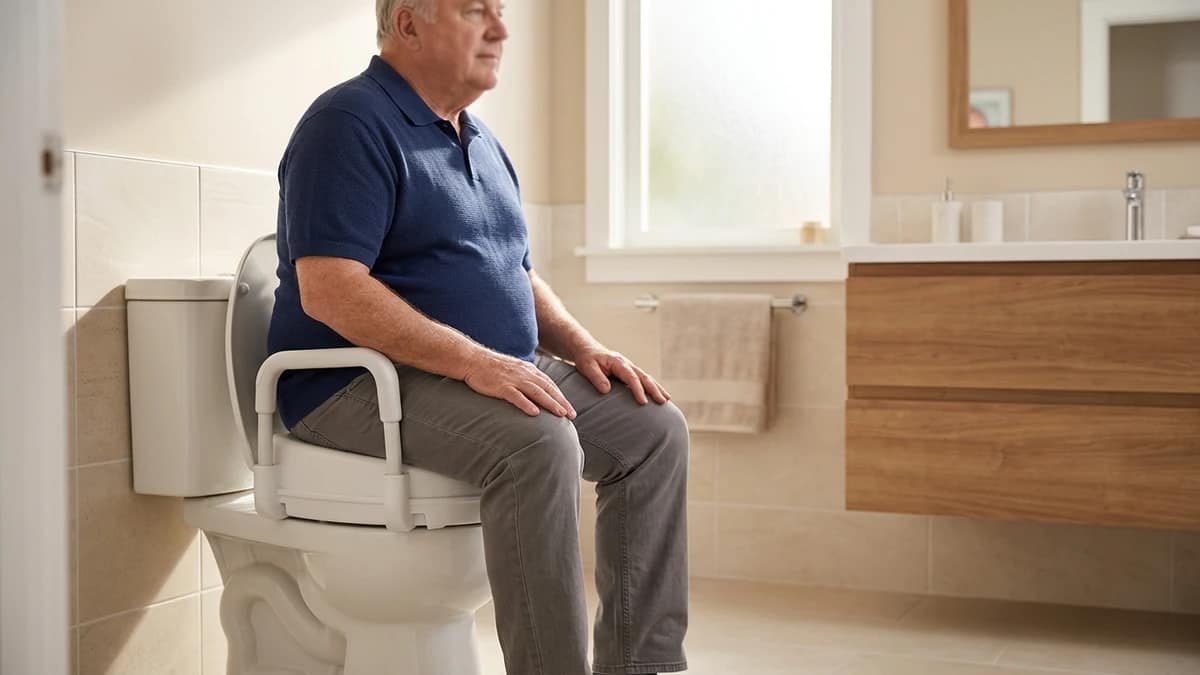
Weight capacity is one of the most important safety questions people ask before using a raised toilet seat. A seat that feels stable for one person may not be the right choice for someone else, especially when body weight, mobility limits, and support needs all come into play.
If you are wondering how much weight can a raised toilet seat hold, the answer depends on more than the label on the box. Stated capacity matters, but so do fit, stability, seat design, and how the user actually sits down and stands up in daily use.
This guide explains what typical weight limits look like, what affects real-world safety, and how to choose a setup that feels secure in practice.
Disclosure: As an Amazon Associate, I earn from qualifying purchases. This post may contain affiliate links. If you purchase through these links, I may earn a small commission at no extra cost to you. I only recommend products I would feel comfortable using in my own home. Learn more.
Quick Answer: How Much Weight Can a Raised Toilet Seat Hold?
A raised toilet seat can often hold around 250 to 300 pounds in many standard models, while some heavy-duty or bariatric designs are built to support more weight, but the real limit depends on the seat’s design, attachment method, toilet fit, and how stable it feels during actual use.
- Many standard raised toilet seats are designed for everyday use in the 250 to 300 lb range
- Heavy-duty models are often made for higher weight needs
- A higher listed capacity does not always mean the seat will feel more stable
- Fit and secure attachment matter as much as the weight rating
- Users who need more support may need more than height alone
In practice, the safest choice is not just the seat with the highest number, but the one that matches the user’s weight, movement needs, and overall setup.
A raised toilet seat should feel steady during sitting, standing, and repositioning. If it shifts, tilts, or feels uncertain, the setup may not be appropriate even if the listed capacity seems high enough.
Quick decision guide:
- Choose a standard model if the user is comfortably within the listed range and the seat feels stable in daily use
- Choose a heavier-duty design if body weight is near the upper end of standard capacity or the setup already feels marginal
- Add more support if balance and sit-to-stand control are also major concerns
Typical Weight Limits for Raised Toilet Seats
Most raised toilet seats fall into a few broad weight-capacity categories, but those ranges should be treated as a starting point rather than a guarantee of real-world stability.
- Standard models often support around 250 to 300 pounds
- More reinforced designs may support a higher amount
- Heavy-duty or bariatric models are built for users who need more capacity and a sturdier overall setup
These numbers are useful as a starting point, but they should not be treated as the only deciding factor. Two seats may have similar stated limits and still feel very different in real use depending on how they attach and how stable they are on the toilet.
For example, a user may technically fall within the rated capacity of a standard seat, but still feel more secure with a wider or more reinforced design because the movement feels better controlled.
What Affects How Much Weight a Raised Toilet Seat Can Hold
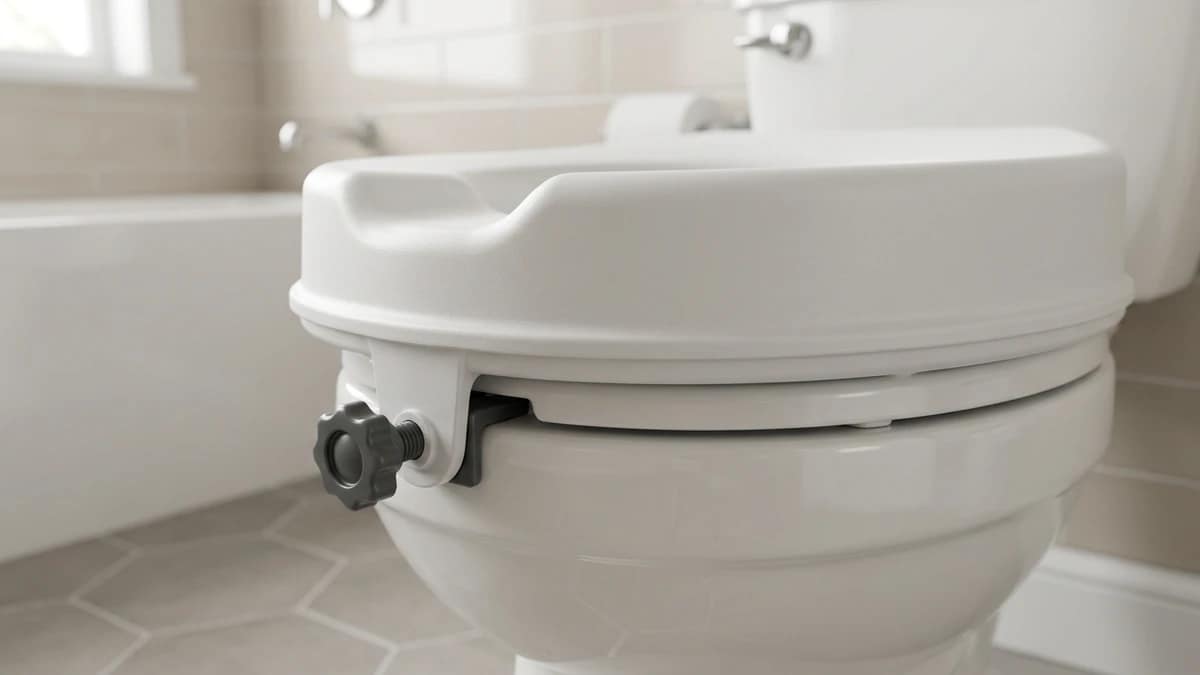
The weight limit of a raised toilet seat is not determined by one number alone.
To understand how much weight can a raised toilet seat hold in real use, it helps to look at how the seat is built, how securely it fits, and how the user’s weight is applied during everyday movement.
- Seat design
A wider, more reinforced seat usually handles weight better than a basic lightweight design. - Attachment system
Clamp-on and locking systems affect how securely the seat stays in place under pressure. - Material strength
Some materials flex more than others, even if the stated capacity looks acceptable. - Toilet compatibility
A seat that does not fit the toilet properly may feel less stable under normal use. - Weight distribution during movement
Sitting down slowly, shifting position, or pushing off while standing creates force in different directions.
For example, a raised toilet seat may feel stable when someone sits straight down carefully, but feel much less secure when weight shifts to one side during standing. That is why real-life use matters just as much as the printed capacity.
In practice, the safest setup is the one that stays stable through the full movement, not just one that lists a high weight limit on paper.
Stated Weight Capacity vs Real-World Stability
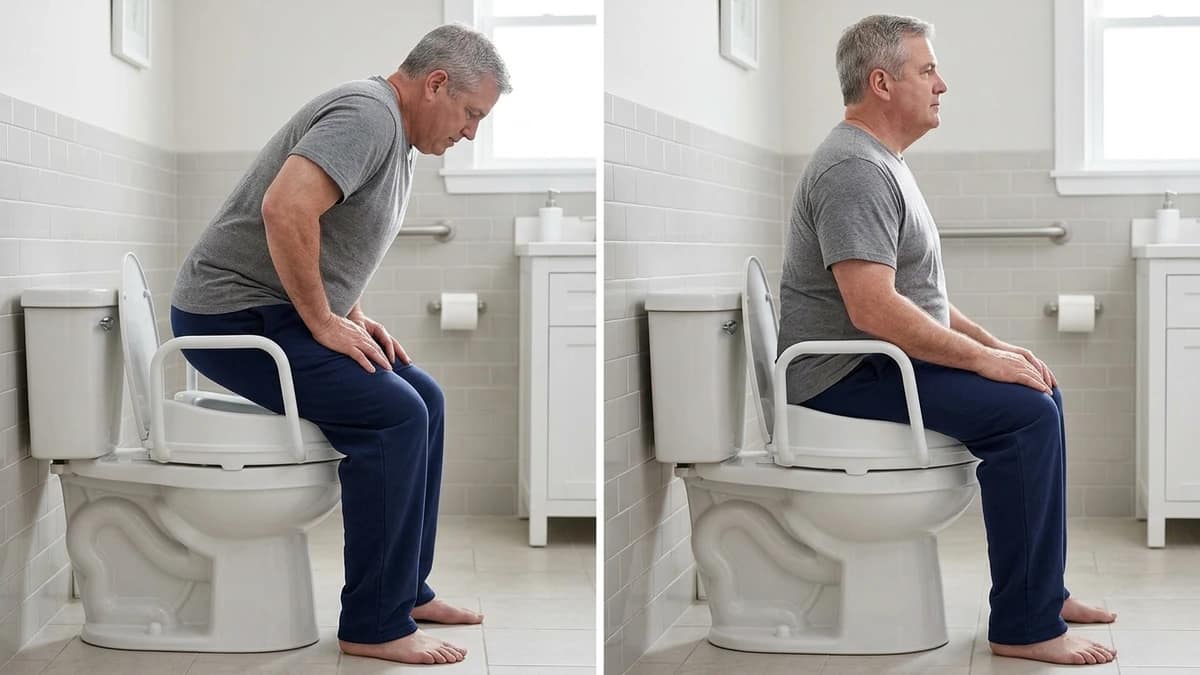
When asking how much weight can a raised toilet seat hold, the printed weight limit is only part of the answer.
A listed weight limit tells you what the seat is designed to handle, but it does not automatically guarantee that every setup will feel equally safe.
A seat may be within the correct weight range and still feel unstable if:
- it does not sit evenly on the toilet
- the attachment is loose
- the user shifts weight slowly or unevenly
- the toilet shape does not match the seat well
For example, a person may be under the stated limit but still notice slight movement when sitting down or pushing up to stand. In that situation, the problem is no longer just weight capacity. It becomes a stability issue.
If you want to understand how seat movement affects safety in practice, this guide on raised toilet seats moving or slipping explains the most common causes of instability.
A raised toilet seat should not only hold weight on paper. It should also feel firm and predictable during actual daily use.
How to Tell If a Raised Toilet Seat Feels Safe Under Weight
The safest way to judge a raised toilet seat is to look at how it behaves during real use.
A seat usually feels safe when:
- it stays flat on the toilet without rocking
- it does not shift when pressure is applied from different directions
- the sit-to-stand movement feels controlled
- there is no visible looseness, tilting, or flexing
For example, if a seat feels secure while sitting but shifts slightly when standing up, that is a sign the attachment or fit may need attention.
Proper setup plays a big role here. If you are not sure whether the seat is attached firmly enough, this guide on securing a raised toilet seat properly explains what a stable setup should look and feel like.
A safe seat should feel reliable during the full movement, not just in one position.
When a Standard Raised Toilet Seat May Not Be Enough
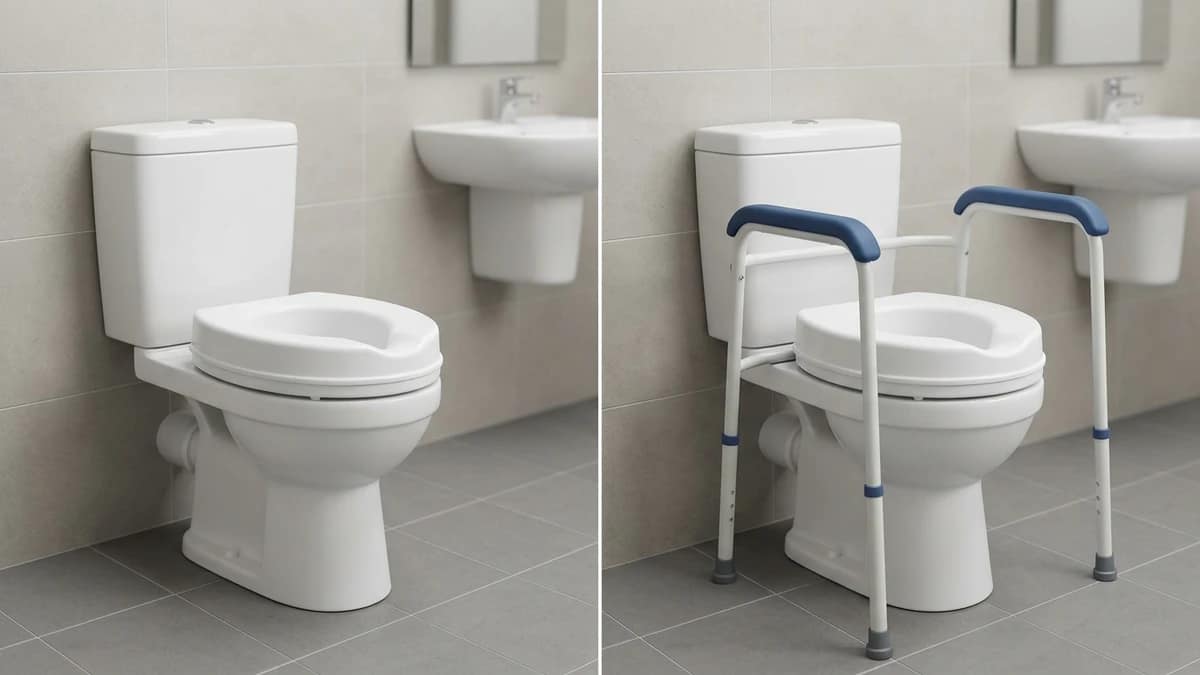
A standard raised toilet seat may not be the best choice when the user needs more than a basic height increase.
This becomes more likely when:
- body weight is near or above the typical range of standard models
- balance is limited
- the user needs extra control while sitting and standing
- the seat already feels marginal or unstable in everyday use
In these situations, the issue is often not just whether the seat can hold weight, but whether the overall setup feels strong enough under repeated daily use.
For some users, a more robust design, wider seat, or added support makes more sense than trying to make a basic model work beyond its comfort zone.
Once a standard model starts to feel marginal, the next step is looking at the features that make higher-capacity designs feel safer in real use.
Features That Matter Most for Higher Weight Needs
For users with higher weight-support needs, some features matter much more than others.
- Higher rated capacity
This is the starting point, but it should not be the only thing you look at. - Wider seating area
A wider seat can feel more supportive and stable during movement. - Stronger locking or clamping system
Secure attachment becomes more important as force on the seat increases. - Stable fit on the toilet
Even a strong seat can feel unreliable if it does not match the bowl well. - Support during movement
Some users need not only a stronger seat, but also support while pushing up or lowering down.
In real use, seat capacity and support often go together.
For example, a user who puts more force through the setup while standing may also need stronger support nearby.
This is similar to how support systems are evaluated more broadly. This guide on grab bar weight limits and support capacity gives useful context for understanding how bathroom support needs can extend beyond the seat itself.
The safest setup is usually the one that matches both body weight and movement needs, not just one of them.
How to Choose a Raised Toilet Seat for Weight Capacity
Choosing for weight capacity is not just about finding the biggest number. It is about matching the seat to real use.
Think about:
- the user’s actual body weight
- how often the seat will be used
- whether the user needs support while standing
- whether the seat is for short-term or long-term use
For example, someone who uses the seat several times a day and relies heavily on it during standing may need a sturdier design than someone using it temporarily with only mild support needs.
If you want a broader framework for sorting through these choices, this guide on choosing the right raised toilet seat helps connect weight, height, fit, and daily use into one decision process.
A good choice should feel realistic for the person using it, not just technically acceptable.
Height and Weight Capacity Together
Height and weight capacity should be considered together, not separately.
A seat may have enough strength on paper, but still feel wrong if:
- the height is too great
- feet do not rest flat
- balance becomes harder to maintain
- the user feels unstable while shifting weight
For example, a higher seat can reduce strain on knees and hips, but too much elevation may make movement feel less controlled, especially for someone already concerned about stability.
To understand how added height changes the setup overall, this guide on how much height a raised toilet seat adds helps explain how elevation affects comfort and movement.
The right setup should combine enough height to reduce strain with enough stability to keep the movement safe.
What I Recommend
For most people, the safest approach is to choose a raised toilet seat that comfortably exceeds the user’s real support needs rather than one that only barely meets the listed minimum.
That means:
- prioritize a stable fit over the minimum acceptable capacity
- be realistic about how much force is placed on the seat during standing and sitting
- do not assume a standard model is enough if the setup already feels marginal
If the user clearly needs a more robust option, it helps to compare designs that are built specifically for higher weight needs instead of trying to stretch a basic model beyond what feels secure.
This guide to the best raised toilet seats for heavier users shows how stronger designs handle support and stability more effectively.
The best choice is the one that feels stable, supportive, and appropriate for daily use without constant doubt about whether it can handle the load safely.
Final Thoughts
A raised toilet seat can often support a substantial amount of weight, but the listed limit is only part of the decision.
Real safety depends on fit, stability, secure attachment, and how the seat performs during actual movement. A seat that technically meets the number but feels unstable is not the right setup.
When weight capacity is treated as part of the bigger picture, it becomes much easier to choose an option that feels both safe and practical in everyday use.
FAQ
What is the average weight limit for a raised toilet seat?
Many standard raised toilet seats are commonly rated around 250 to 300 pounds, though some models are designed for higher capacities.
Can a raised toilet seat hold 300 pounds?
Many can, but it depends on the specific model, design, and how securely it fits the toilet.
Are bariatric raised toilet seats stronger?
Yes, they are generally built with stronger designs and higher weight ratings for greater support needs.
Does a higher weight limit mean better stability?
Not always. A higher number helps, but fit, attachment, and movement control still matter.
When should you choose a heavy-duty raised toilet seat?
When body weight, daily use, or support needs make a standard model feel marginal or less secure.