
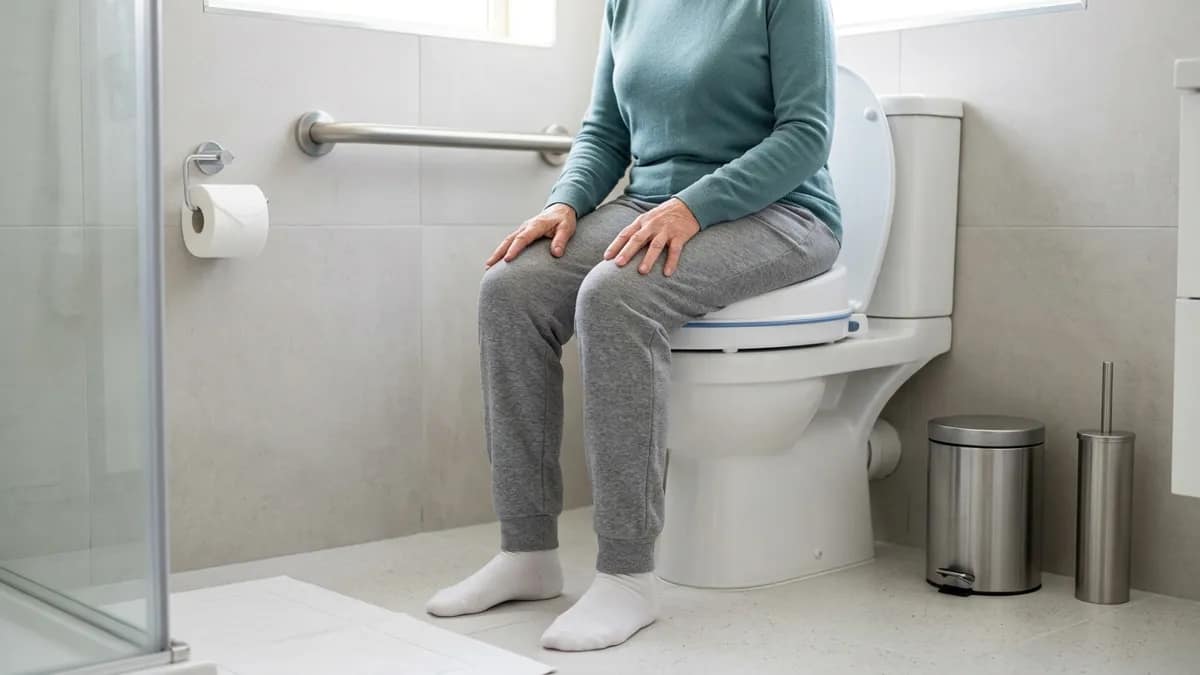
Raised toilet seats are widely used to make sitting and standing easier, especially for seniors with limited mobility. But a common concern is whether they are actually safe to use on a daily basis.
The answer to are raised toilet seats safe for seniors is not a simple yes or no. In many cases, they improve comfort and reduce strain. However, when the height is wrong, the fit is unstable, or proper support is missing, they can create balance issues instead of solving them.
Understanding when they are safe—and when they are not—comes down to how they are installed, how they are used, and whether the setup matches the user’s needs.
Disclosure: As an Amazon Associate, I earn from qualifying purchases. This post may contain affiliate links. If you purchase through these links, I may earn a small commission at no extra cost to you. I only recommend products I would feel comfortable using in my own home. Learn more.
On This Page
Quick Answer
Yes, raised toilet seats are safe for seniors when they are properly installed, securely fitted, and used in a way that maintains balance and stability during movement.
- Safe when the seat is secure and does not move
- Safe when the height matches the user’s mobility needs
- Unsafe if the seat shifts, tilts, or feels unstable
- Unsafe when height reduces balance or control
- Often safer when combined with additional support if needed
In simple terms, a raised toilet seat improves safety by reducing strain—but only when it also maintains stability during movement.
If you’re still unsure whether added height is the right kind of support to begin with, an article on when seniors should use a raised toilet seat can help explain the situations where this type of setup makes the most sense.
When Raised Toilet Seats Are Safe
Raised toilet seats are generally safe when they are used in the right conditions and set up correctly.
They work best when:
- the seat fits the toilet securely
- the height allows controlled sitting and standing
- the user has enough balance to manage movement
- the surface and attachment are stable
For example, a senior with mild knee stiffness may find that even a small height increase makes standing easier without affecting balance. In this situation, the raised seat improves safety by reducing effort.
Proper installation plays a big role here. If the seat is not firmly secured, even a well-chosen height can feel unstable. This is why understanding how to install and secure it correctly matters. This guide on how to secure a raised toilet seat properly explains how to make sure it stays stable.
When the setup is correct, raised toilet seats can make everyday movement smoother and more predictable.
When Raised Toilet Seats Can Be Unsafe
When asking are raised toilet seats safe for seniors, the answer often depends on whether stability or control is compromised during use.
Common situations include:
- the seat shifts or moves during use
- the height is too high, making balance harder
- the seat is not properly aligned
- the user relies on it without additional support
For example, if the seat moves slightly when sitting down, it can create hesitation or loss of balance. Even small movement can feel unsafe, especially for someone already dealing with mobility issues.
If you’re unsure whether this is a risk, it helps to understand how often these problems occur and why. This guide on whether raised toilet seats move or slip explains what causes instability and how to recognize it.
In these cases, the issue is not the seat itself, but how it is set up and used.
These situations often show up as specific risks during everyday use.
Most Common Safety Risks to Be Aware Of
Even when installed correctly, there are a few risks that are worth paying attention to.
- Shifting or slipping
A loose seat can move slightly under weight, which affects confidence and balance. - Over-elevation
A seat that is too high may make it harder to control movement, especially when sitting down. - Loss of balance during movement
Without something to hold onto, standing up or sitting down can feel unstable. - Poor positioning
If feet are not flat or posture is off, the movement becomes less controlled.
These risks are usually small on their own, but they can add up during daily use.
Weight capacity can also matter more than many people expect, especially when the user relies heavily on the seat during transfers.
This guide on how much weight a raised toilet seat can hold explains how capacity affects stability and when a standard seat may not be enough.
Being aware of these risks helps you address them before they become a problem.
How to Make a Raised Toilet Seat Safer
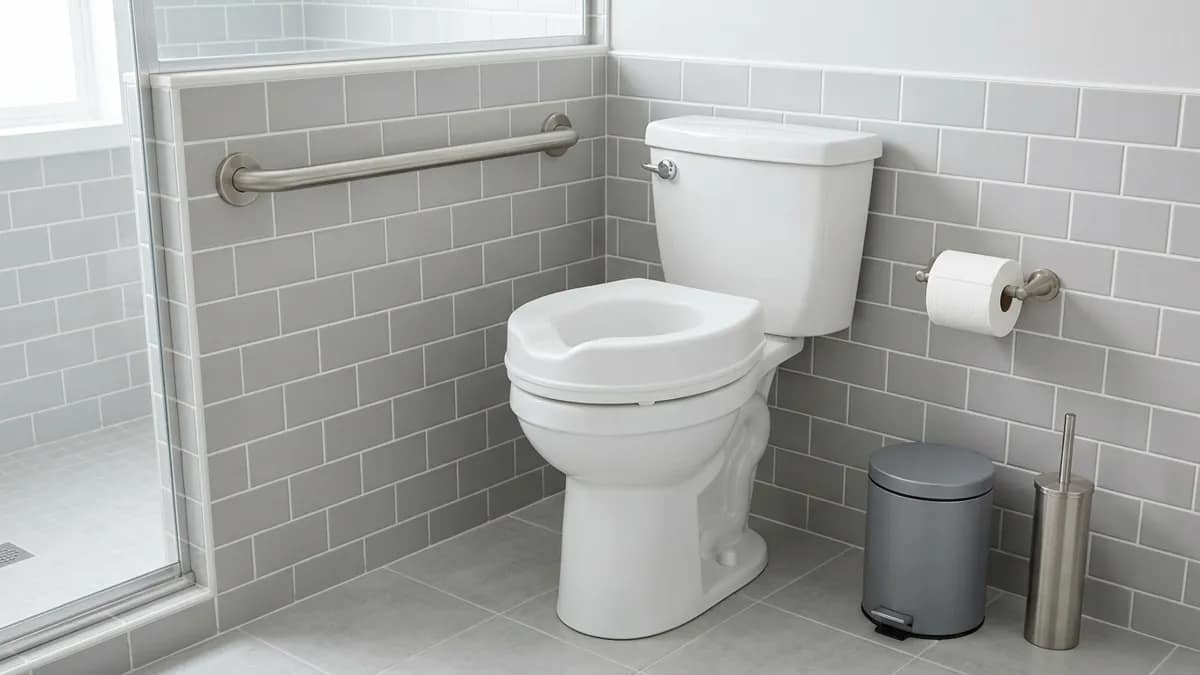
If you’re wondering are raised toilet seats safe for seniors, the answer often comes down to small adjustments that improve stability and control.
A raised toilet seat becomes safer when:
- it is installed securely and checked regularly
- the height matches the user’s needs
- the seat stays stable during movement
- additional support is used when necessary
One of the most important factors is choosing the right height. A height that feels comfortable and stable is more important than simply adding more elevation.
If you’re still comparing height, attachment style, or overall fit, this guide on how to choose a raised toilet seat explains how those decisions affect safety in real use.
Small improvements in setup often lead to a noticeable increase in confidence and ease of use.
When Seniors May Need Extra Support
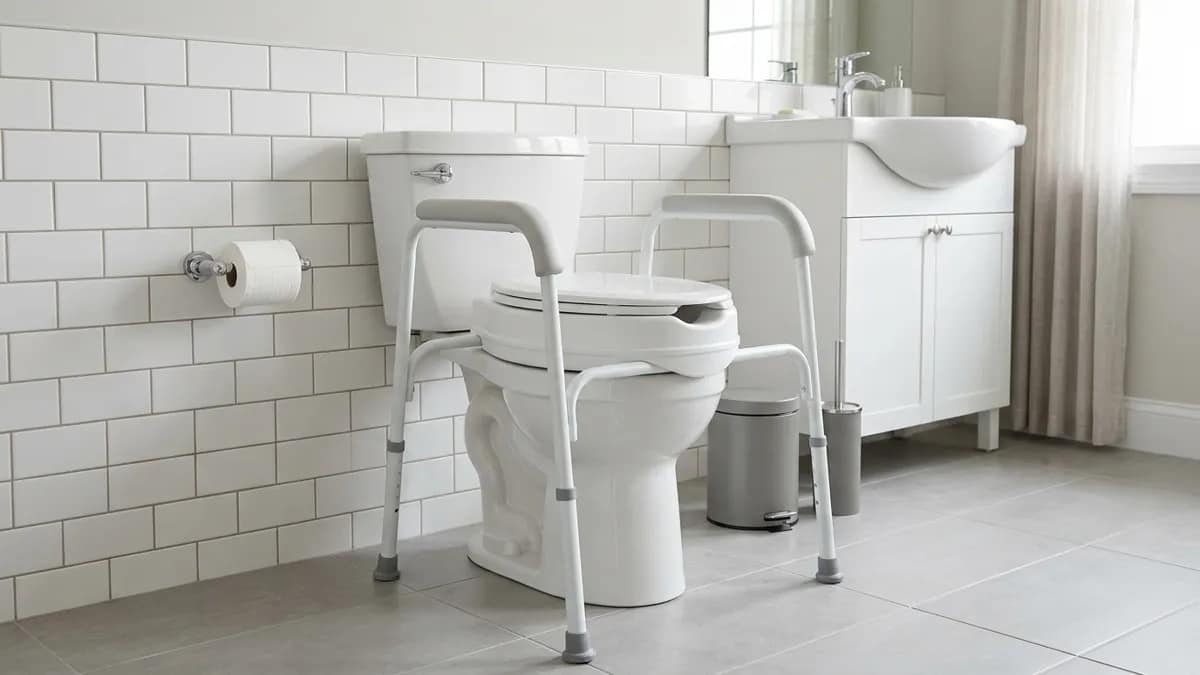
In some situations, a raised toilet seat alone is not enough to provide safe and controlled movement.
This is more likely when:
- Balance is limited
- Strength is reduced
- Recovery from hip surgery affects mobility
- Movement feels unstable even with added height
For example, after hip surgery, reducing how much you need to bend is important, but standing up can still feel unstable without something to hold onto. In this situation, height helps, but it does not fully solve the problem.
This is why combining height with proper support is often recommended during recovery. This guide on raised toilet seats after hip surgery explains how needs change during this stage and what to prioritize.
When stability becomes the main challenge, adding support alongside the raised seat usually has a greater impact than increasing height alone.
Raised Toilet Seat vs Other Safety Options
Raised toilet seats are designed to reduce bending, but they are only one part of a complete safety setup.
Other options focus on a different problem—providing support during movement rather than changing height.
- Grab bars → provide a stable handhold for balance
- Toilet safety frames → offer support on both sides
- Combination setups → improve both height and stability
For example, someone who feels steady but struggles with bending may only need a raised seat. But if you feel unsure while sitting down or standing up, the issue is usually not height—it’s the lack of support during movement.
In those cases, adding something to hold onto can make a noticeable difference in safety and confidence. This is where grab bars are often used as a complement to raised seats. This guide on are grab bars safe for seniors explains how they help improve stability and when they are appropriate to use.
In many setups, combining height with proper support creates a more reliable and comfortable experience than relying on a single solution.
What I Recommend
In most cases, raised toilet seats are safe when the setup focuses on stability first and height second.
A good starting point is:
- choose a height that reduces strain without affecting balance
- make sure the seat feels stable during real use
- add support if movement does not feel controlled
If something feels slightly unstable, it usually means the setup needs adjustment—not necessarily replacement.
If extra hand support would make the movement feel more controlled, a guide to the best raised toilet seats with handles can help compare designs built for added stability during sitting and standing.
The goal is not just to make sitting and standing easier, but to make the entire movement feel steady, predictable, and safe.
FAQ
Are raised toilet seats safe for elderly people?
Yes, when properly installed and matched to the user’s needs, they are generally safe.
Can raised toilet seats slip or move?
They can if not secured correctly or if the fit is not proper.
What height is safest for seniors?
The safest height is one that allows controlled movement while keeping feet flat on the floor.
Do seniors need grab bars with a raised toilet seat?
In many cases, yes—especially if balance is a concern.
Are raised toilet seats safe after surgery?
Yes, they are often recommended, but may need to be combined with additional support.
Final Thoughts
Raised toilet seats can be a safe and effective solution for seniors, but only when they are used correctly.
The difference between safe and unsafe often comes down to small details—fit, height, stability, and support.
When these elements are properly balanced, a raised toilet seat can make everyday use more comfortable while reducing strain and improving confidence.
